Pillar 02
Reforestation & Carbon Offset Projects
Restoration run as a process, not a planting event.
We turn climate and nature goals into measurable restoration on the ground.
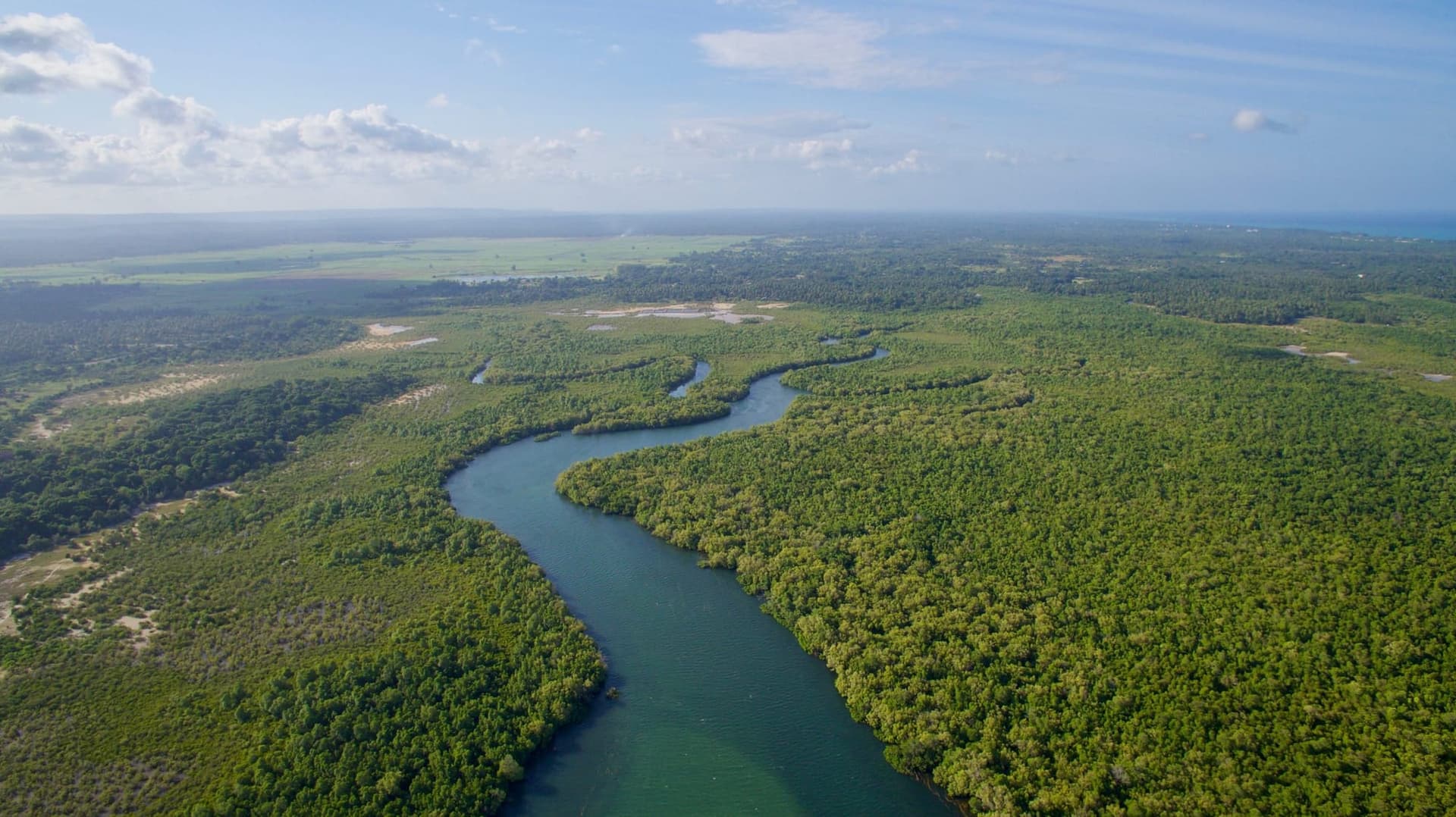
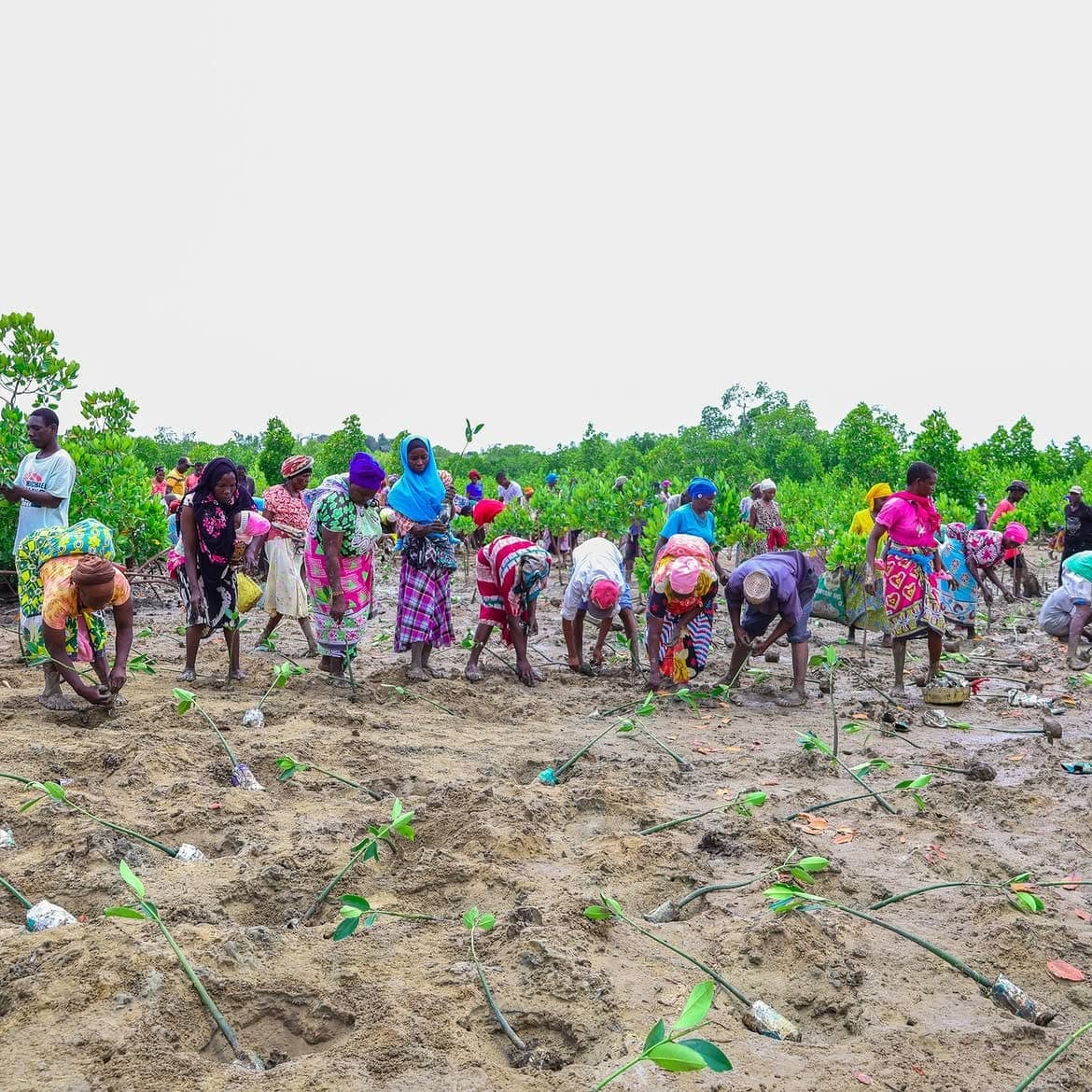
Furaha & Baraka Farms (FBF) delivers reforestation, agroforestry and mangrove restoration projects for companies and institutions in Kenya and East Africa, including blue-carbon work at Mwache Block and Tsunza in Kwale County. FBF runs restoration as a process: site assessment, species selection, KEPHIS-certified seedlings from 18 nurseries, community planting, aftercare, replacement and monitoring.
- 18operating nurseries
- 15Mseedlings per season, nursery capacity
- 87%tree survival rate (industry benchmark 75%)
Figures as of October 2026
What we deliver
- Site and soil assessment
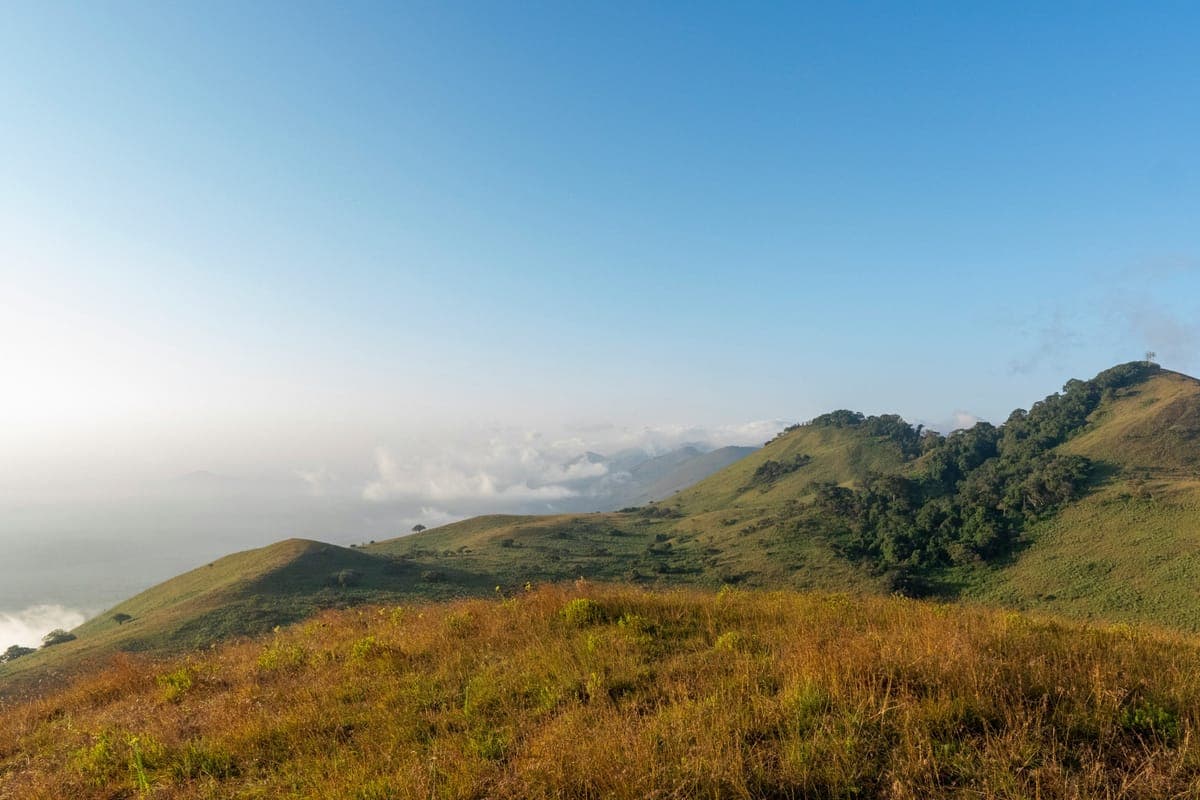
- Native species mix for the ecological zone
- Planting, aftercare and survival monitoring
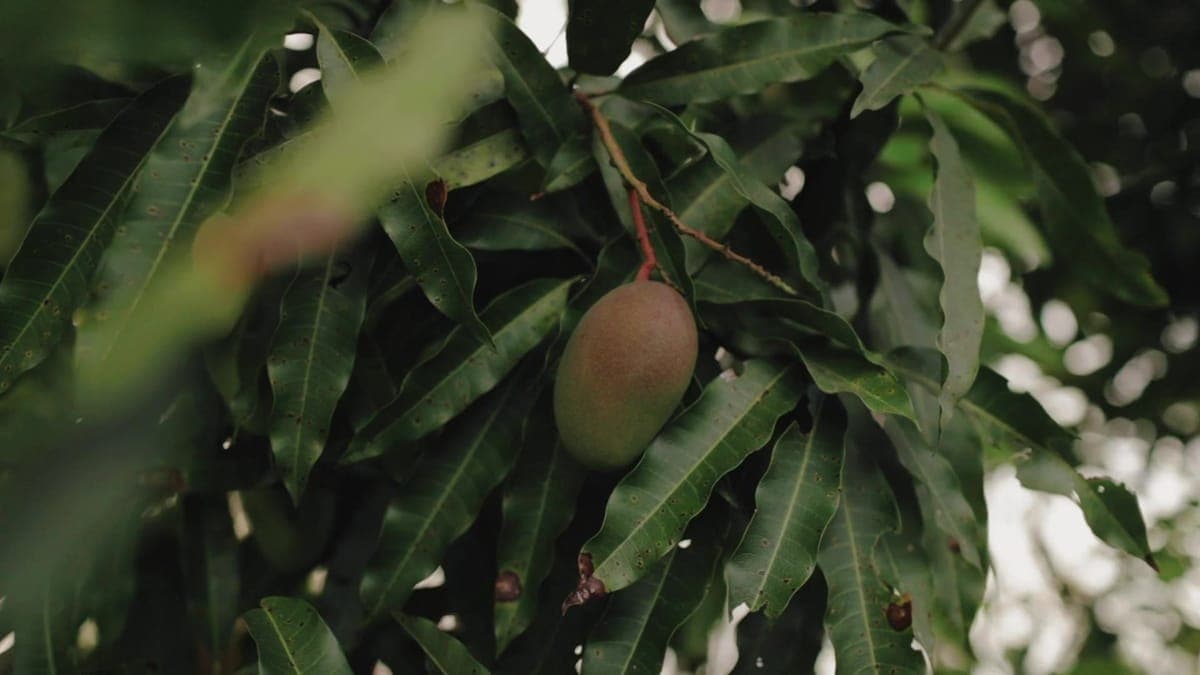
- Tree-crop designs agreed with farmers
- Fruit and timber species for income
- Training and follow-up visits
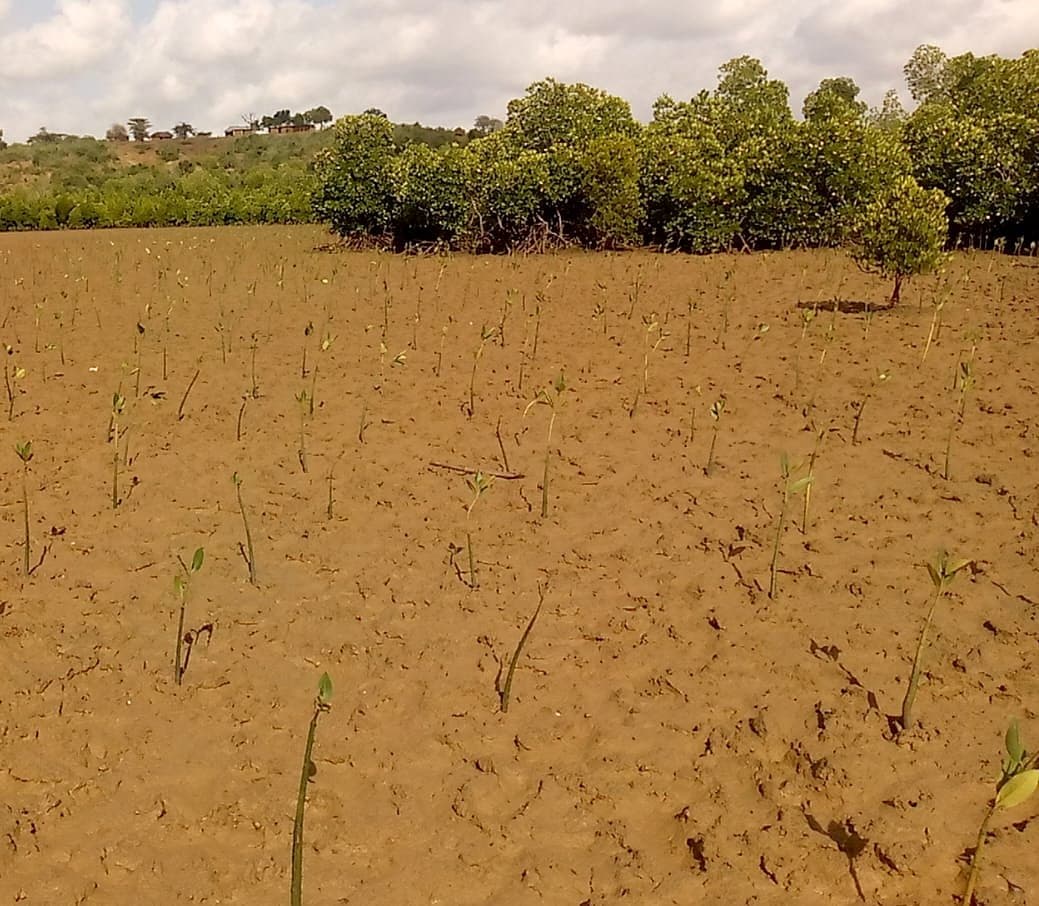
- Site hydrology and suitability checks
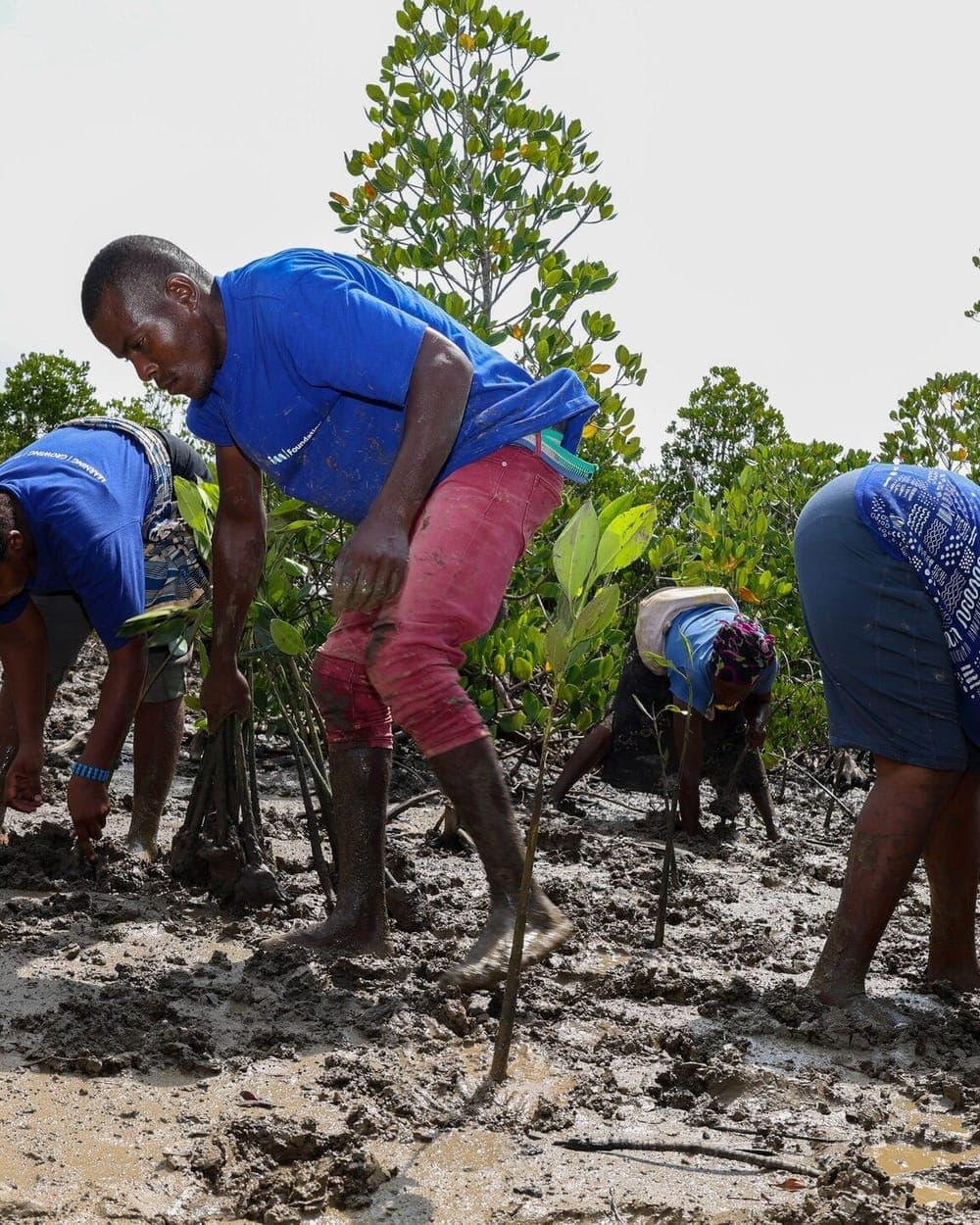
- Community planting along the coast
- Survival and growth monitoring
- Soil and water conservation practices
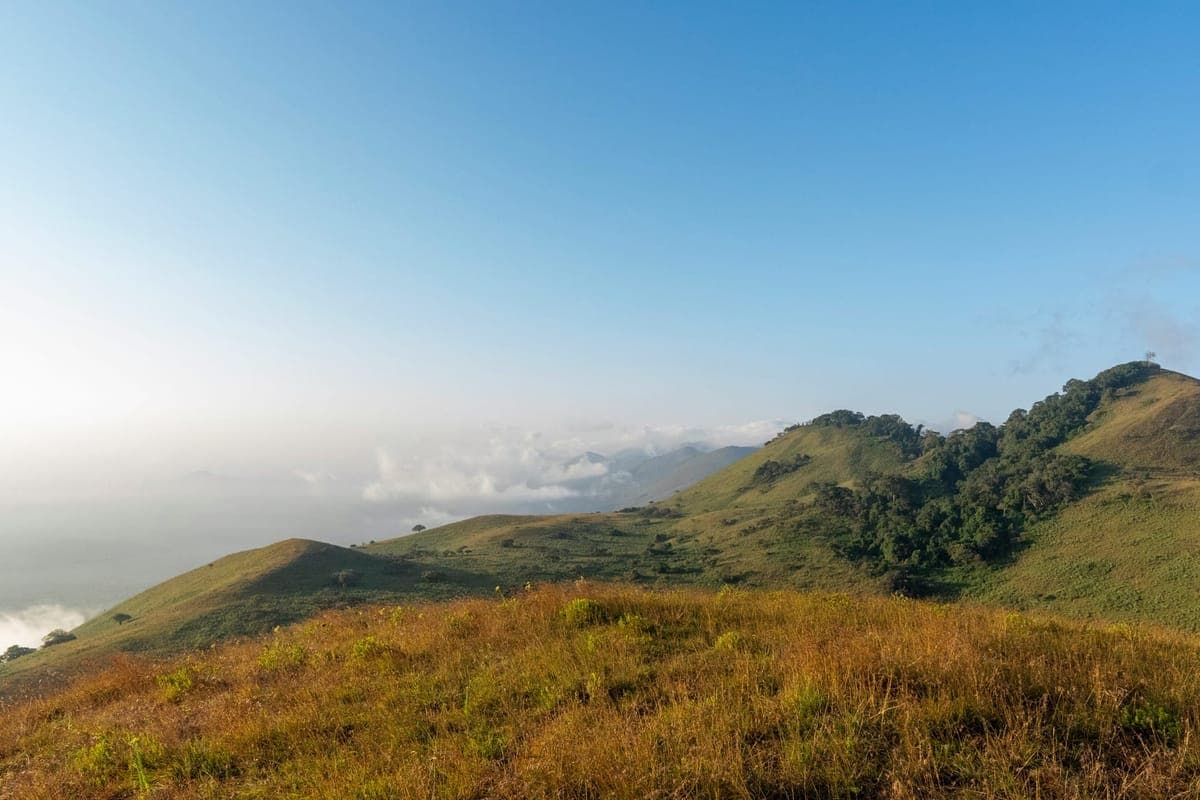
- Drought-tolerant crop and tree choices
- Farmer training in the field
- Site screening and eligibility review
- Standard and methodology options
- Project design and readiness roadmap
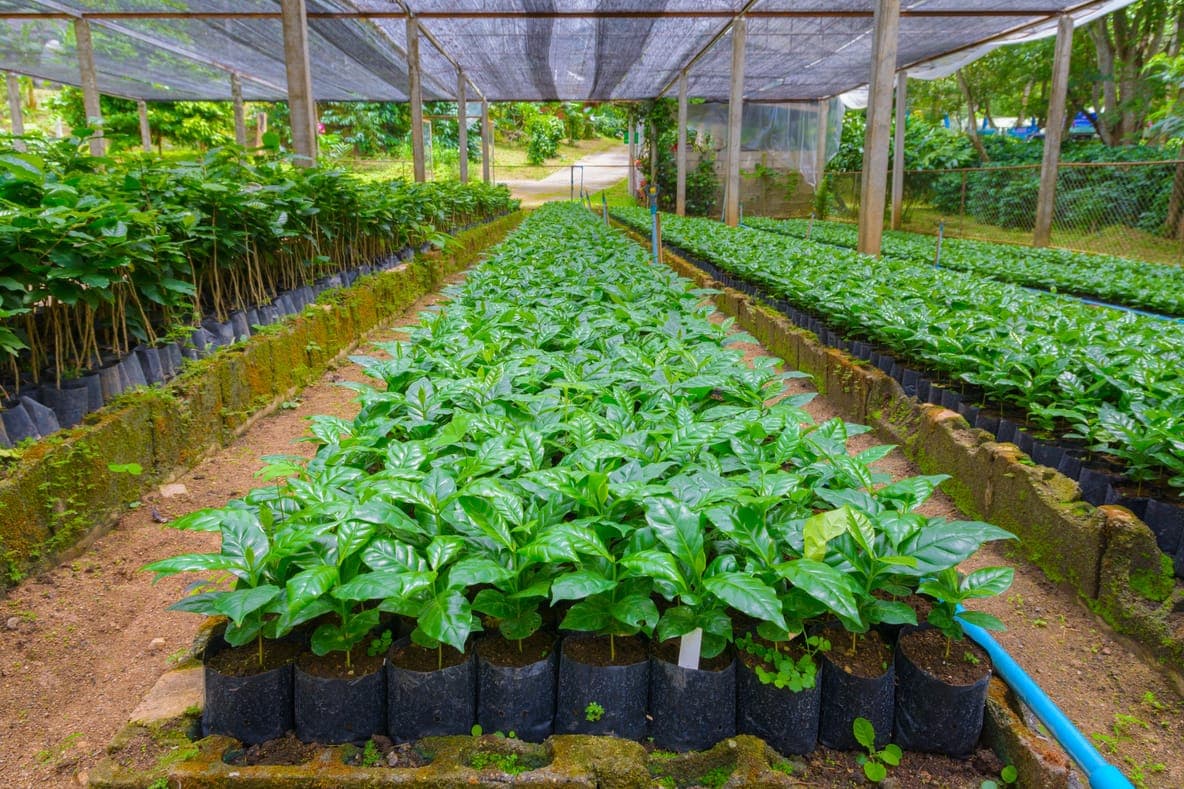
- Indigenous, exotic and grafted fruit species
- Raised and hardened in certified nurseries
- Supply planned around the planting season
Restoration is a process, not a planting event.
Every step is recorded, from the first site visit to the survival count years later.
Step 01: Assess the site
Soils, water, land use and community needs.
Step 02: Choose the species
Matched to the ecological zone.
Step 03: Grow in certified nurseries
Healthy, hardened seedlings.
Step 04: Plant with communities
Recorded and GPS-tagged.
Step 05: Aftercare & replacement
Weeding, watering, replacing losses.
Step 06: Monitor & adapt
Survival and growth tracked over time.
For partners
What working with us on restoration looks like
- What it is
- Restoration run as a process: site assessment, species matched to the ecological zone, seedlings from certified nurseries, planting with communities, and aftercare.
- What to expect
- We assess the site first and agree the species mix, aftercare scope and duration with you before planting starts. Every tree is recorded and GPS-tagged at planting.
- What you gain
- Planting, survival and monitoring visits you can follow on a project dashboard, with periodic reports and a clear view of whether carbon credits are realistic.
- The wider contribution
- Degraded land and coastline back under native cover, mangroves restored along the coast, and trees that support local incomes through agroforestry.
Common questions
Start a project
Plan your restoration project.
 Next pillar03 Digital MRV