Pillar 04
Circular Economy & Regenerative Agriculture
Keeping ecological and economic value in the landscape.
We help organisations and communities keep value in their landscapes: healthier soils, recovered resources, new livelihoods.
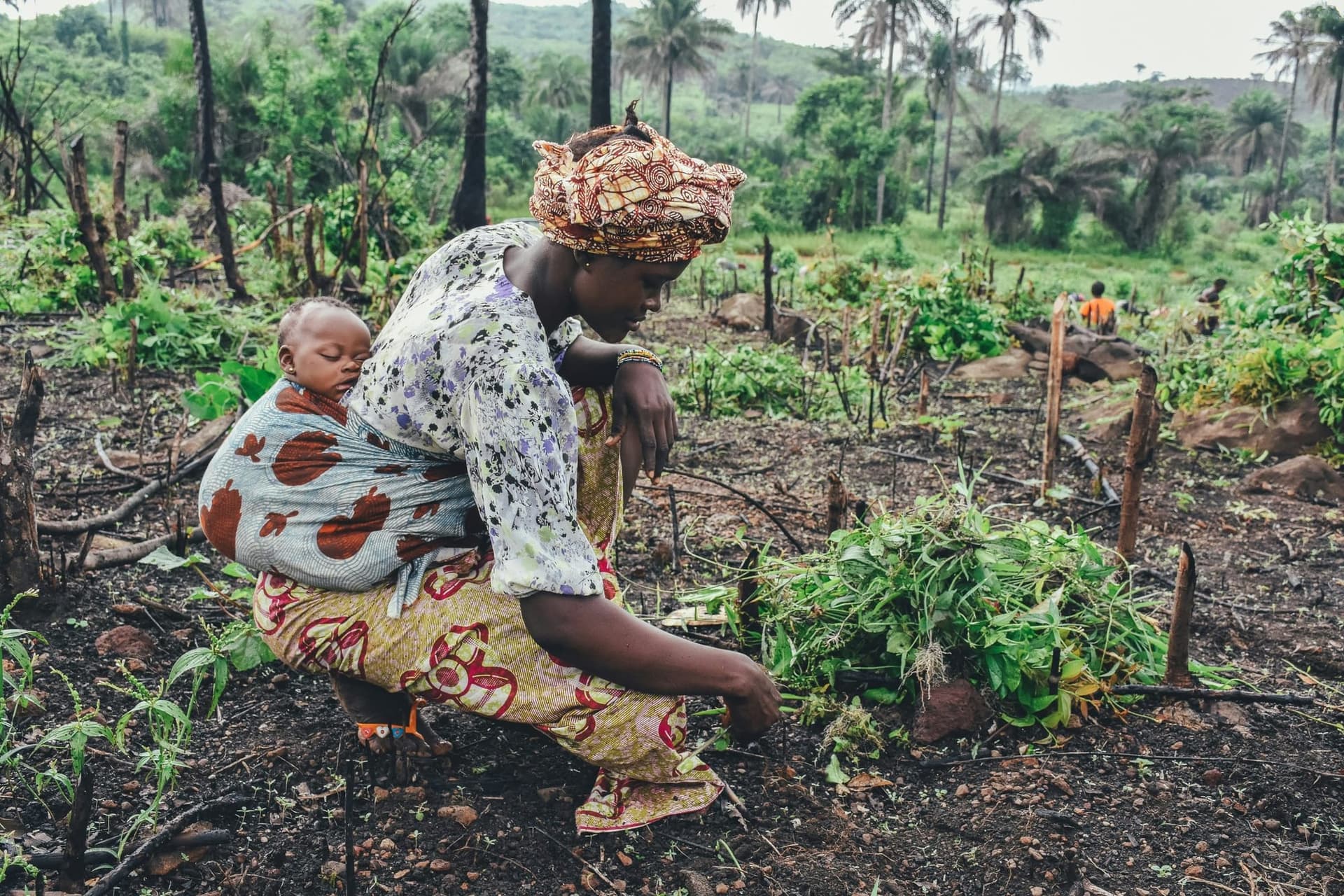
Furaha & Baraka Farms (FBF) helps communities in Kenya keep water, soil and income in their landscapes. Its circular economy and regenerative agriculture work covers semicircular bunds that capture rain on degraded land (a proposed project for the Mwache dam catchment in Kwale), regenerative farming, and new coastal value chains with women and youth groups: seaweed farming, crab fattening and soya, now in development, alongside biochar and clean energy from invasive Prosopis.
- 150 hadegraded land to restore with semicircular bunds (proposed, Mwache catchment)
- 30,000+semicircular bunds planned, about 200 per hectare
- 1,500+households to benefit (project target)
What we deliver
- Contour survey and bund layout
- Bund construction with local labour
- Native trees and grass reseeding inside the bunds
- A practice plan agreed with each farm
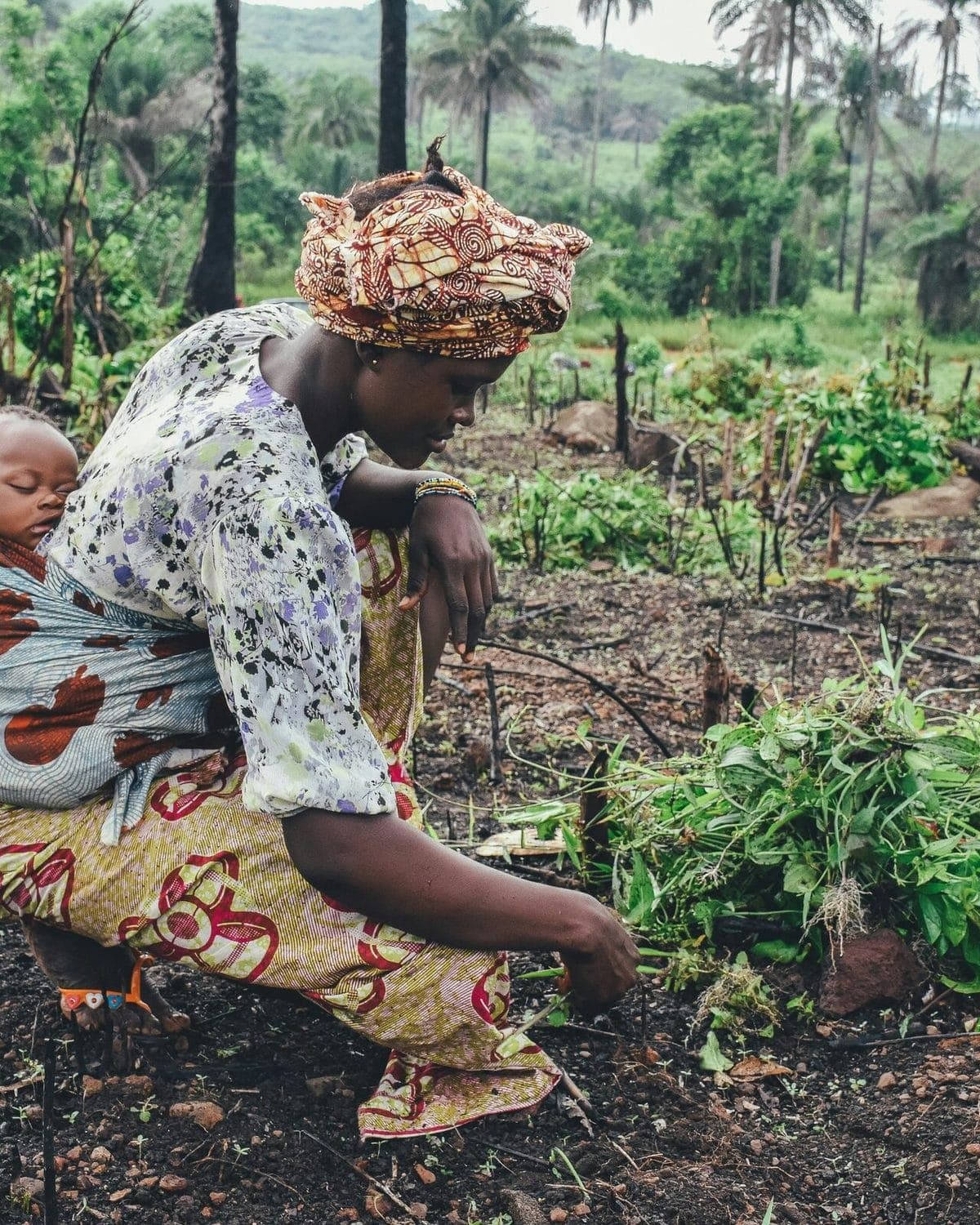
- Soil cover, rotation and organic inputs
- Field support through the season
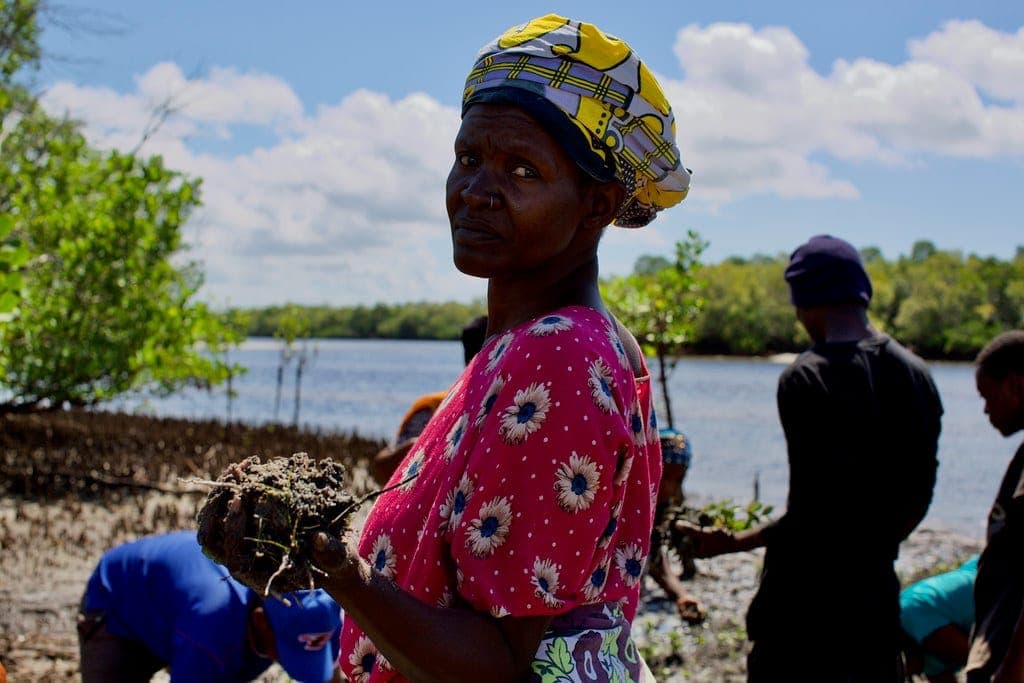
- Seaweed farming beside restored mangroves
- Crab fattening
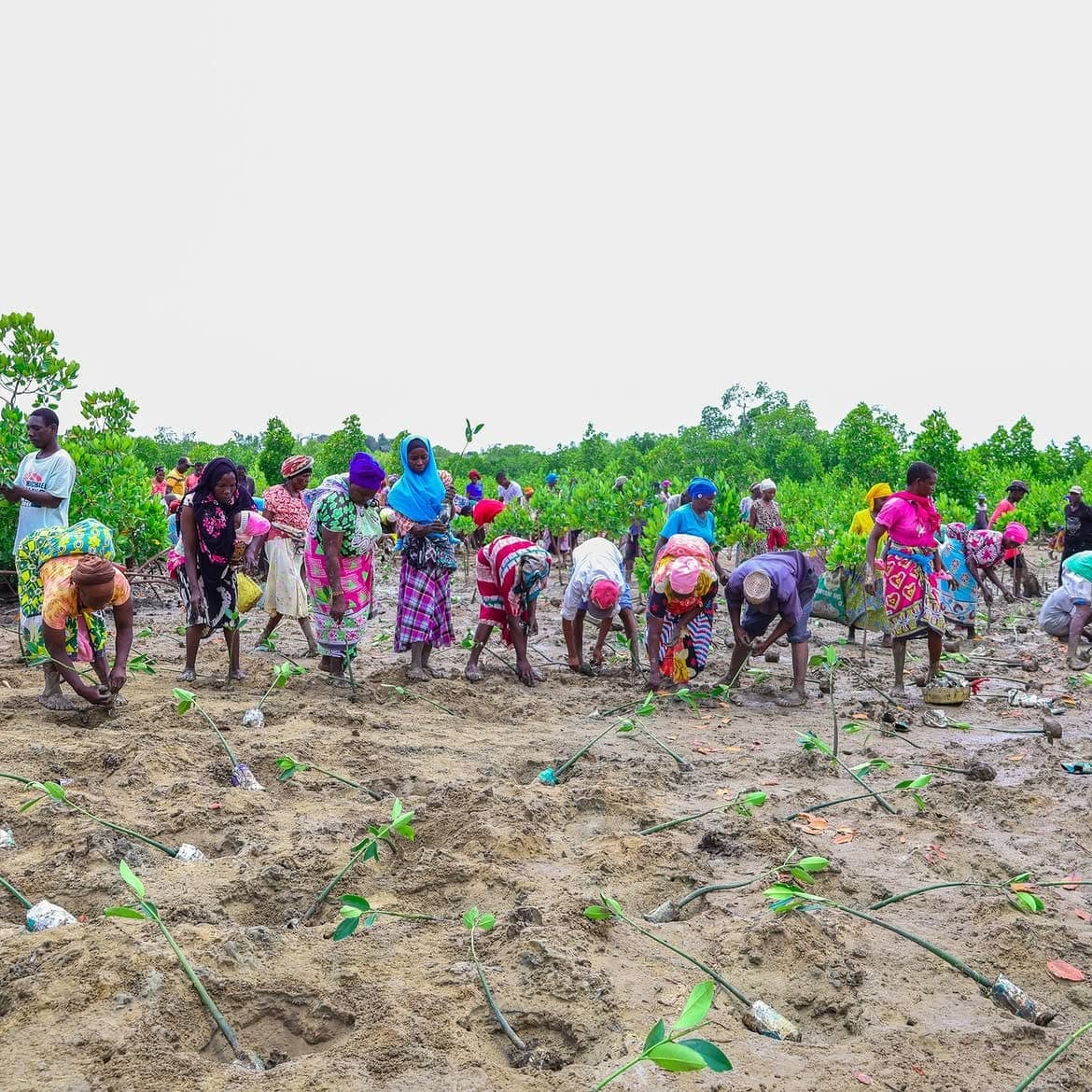
- Training and market links for groups
- Soya as a farm value chain
- Product and market assessment
- Support from pilot to steady supply
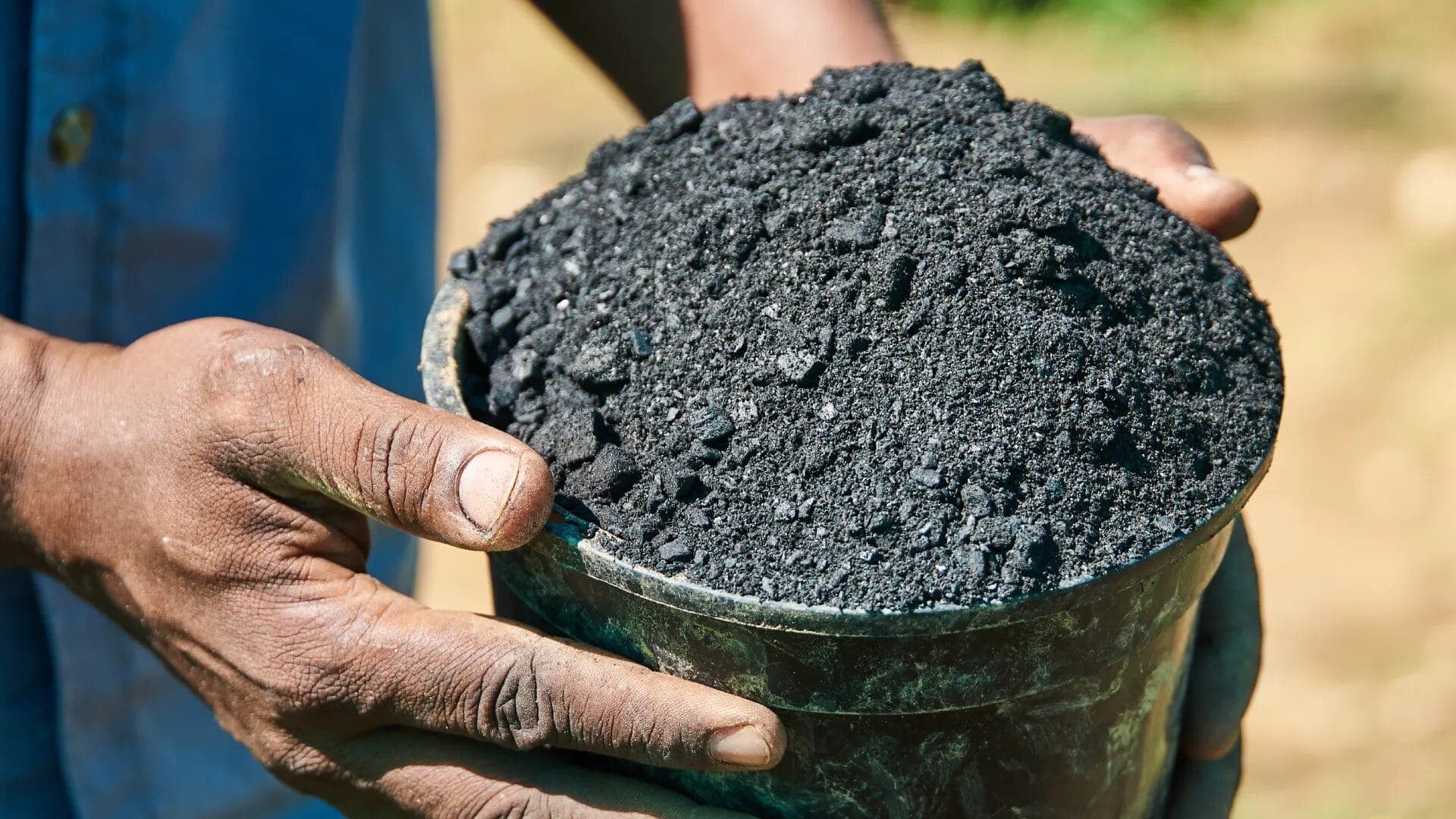
- Clearing invasive Prosopis from degraded land
- Biochar for soil health
- Clean-energy uses of the biochar
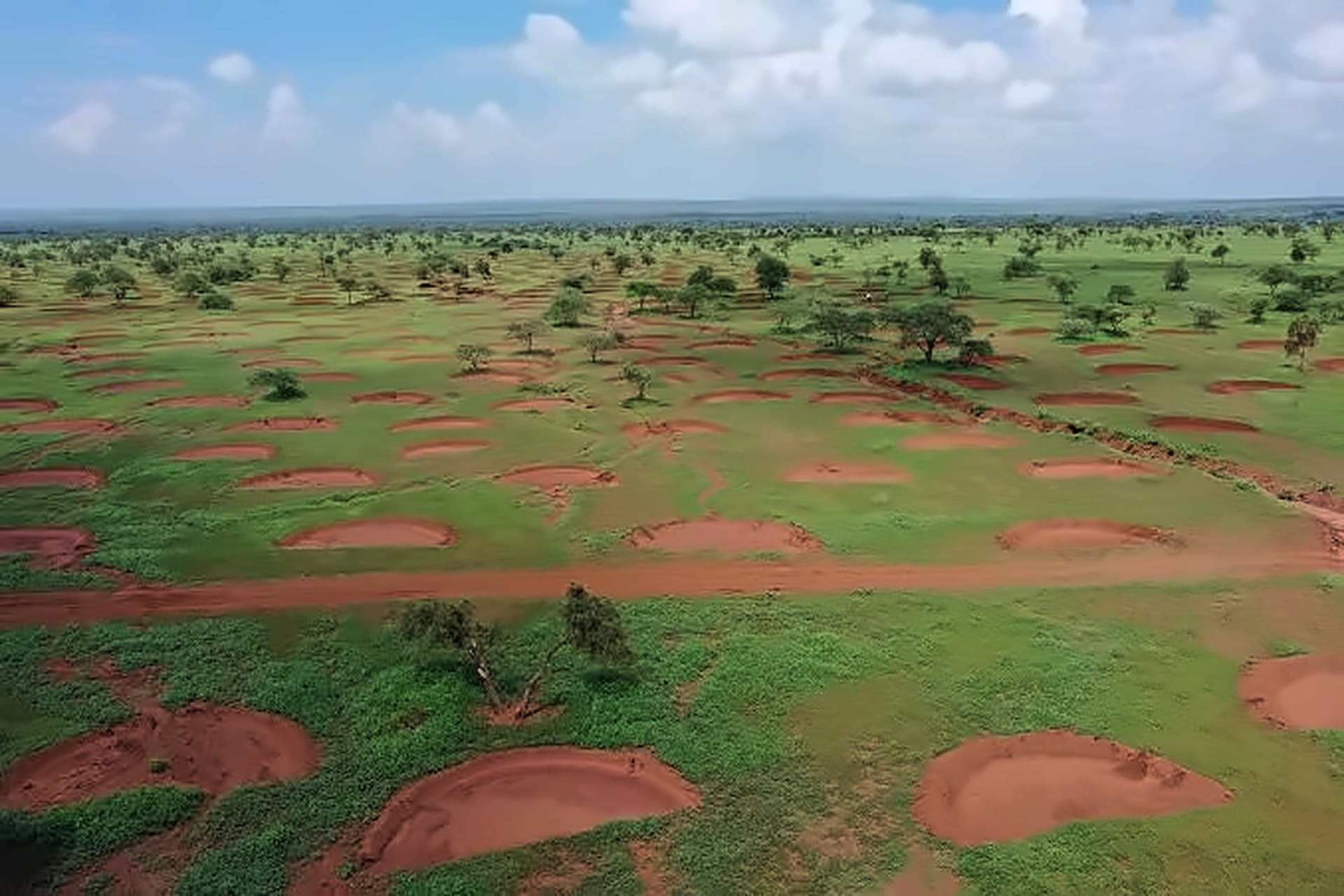
How semicircular bunds bring water back
Proposed for the Mwache dam catchment, Kwale County, with the Water Resources Authority, the Kenya Forest Service and local community groups.
Step 01: Survey the catchment
Baseline studies, sediment mapping and GIS pick the priority sub-catchments.
Step 02: Build on the contour
Crescent banks 30–50 cm high, open end upslope, in staggered rows on gentle slopes of 0.5–5%.
Step 03: Let the rain soak in
Runoff pools inside each arc and soaks in slowly; ripping breaks crusted soil so water and roots go deeper.
Step 04: Bring the cover back
Native trees, grass reseeding and assisted natural regeneration inside and between the bunds.
Step 05: Train and employ locally
Community labour, farmer field schools and watershed committees that maintain the bunds after the project.
Step 06: Monitor water and cover
Vegetation, runoff and sediment tracked by remote sensing and field checks.
For partners
What working with us on regenerative programmes looks like
- What it is
- Water harvesting with semicircular bunds, regenerative farming, and new value chains (seaweed, crab fattening, soya, Prosopis biochar) that keep ecological and economic value in the landscape.
- What to expect
- We survey the land and agree priorities with the community first, pilot on a small area, then scale with local labour, farmer groups and county partners.
- What you gain
- Measured results against a baseline: vegetation cover, runoff and sediment for water projects; practices, yields and income for value chains.
- The wider contribution
- Degraded land that holds water again, less silt reaching dams and rivers, recharged groundwater, and income for women and youth groups.
Common questions
Start a project
Build value back into the land.
 Next pillar05 Climate Leadership & Green Skills