Skip to content

Community

Community & programmes

Restoration that grows with the people who live there. Furaha & Baraka Farms (FBF) works with women, youth, schools and farmer groups in Kenya and East Africa. As of October 2026, we have engaged 12,900+ women and youth, and our 18 operating nurseries raise the seedlings that communities plant and care for.

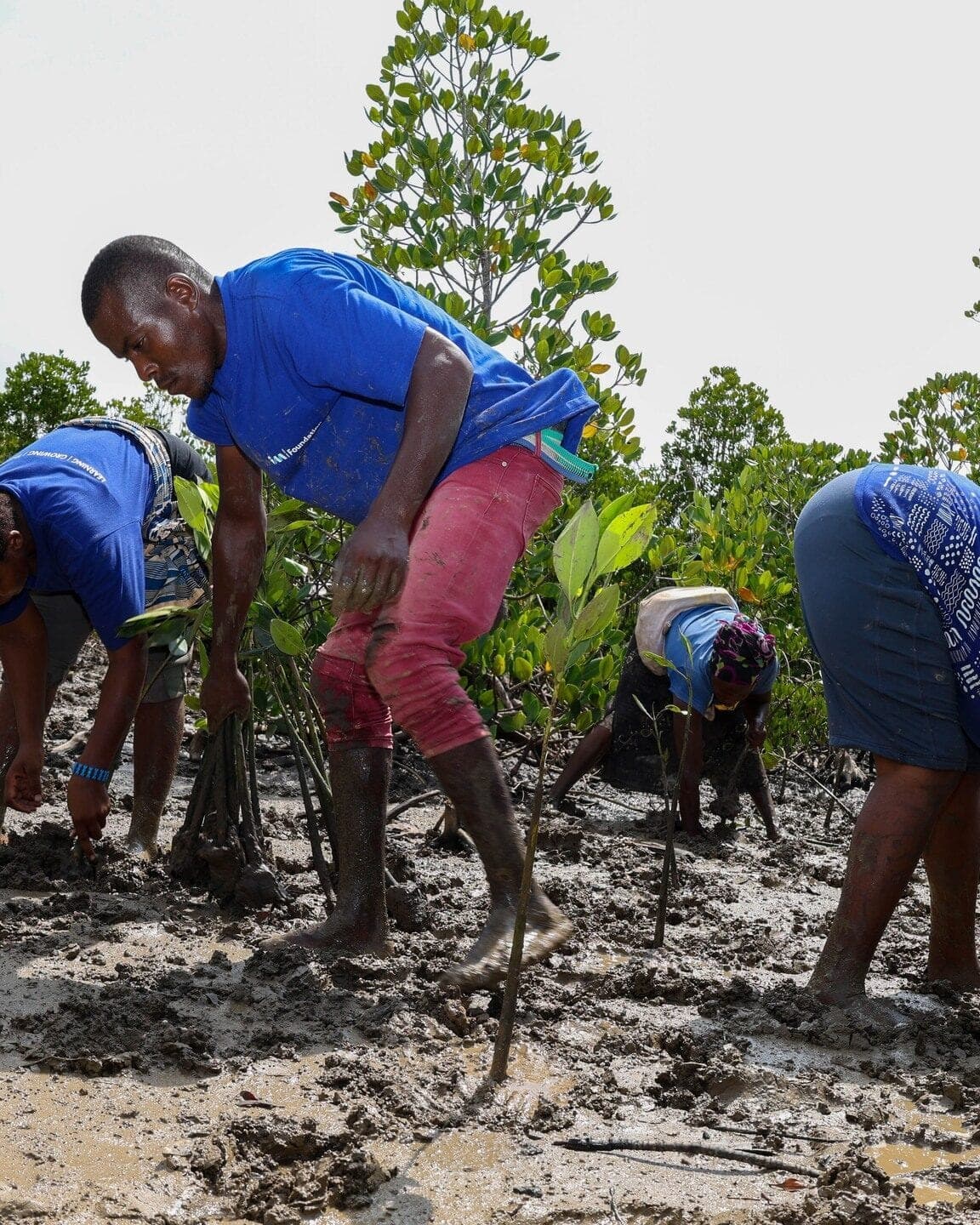
Community members planting mangrove seedlings in tidal mud on the Kenyan coast

Our work with communities in figures

women and youth engaged
12,900+
operating nurseries
18
seedlings per season, nursery capacity
15M
households supported (target, Mwache catchment project)
1,500+

Figures as of October 2026.

Community nurseries

Our 18 operating nurseries can raise up to 15M seedlings a season: indigenous, exotic, fruit and mangrove species, with seedlings certified by KEPHIS. By supplying seedlings close to where they are planted, we support community-led tree planting and a sense of ownership of the result.

Nurseries are also places to learn. People who work in them learn how to raise trees, care for them after planting and replace those that don't survive, because we treat restoration as a process, not a planting event.
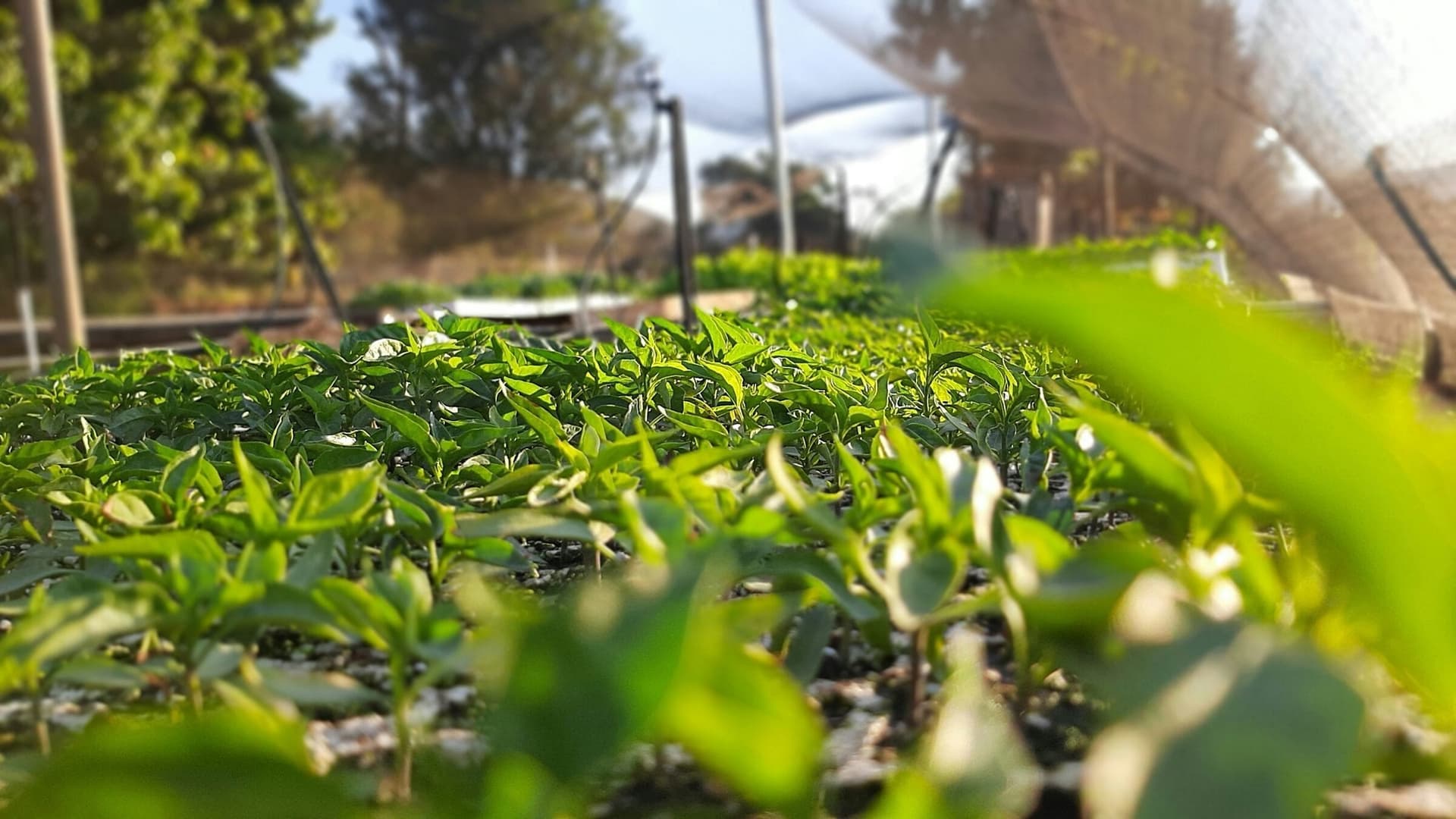
Rows of young tree seedlings under shade netting in an FBF nursery

Women and youth programmes

12,900+ women and youth have been engaged in our work (as of October 2026). On the Kenyan coast they are the backbone of mangrove restoration: they raise seedlings in community nurseries, plant, scout sites and are paid for supply and labour.

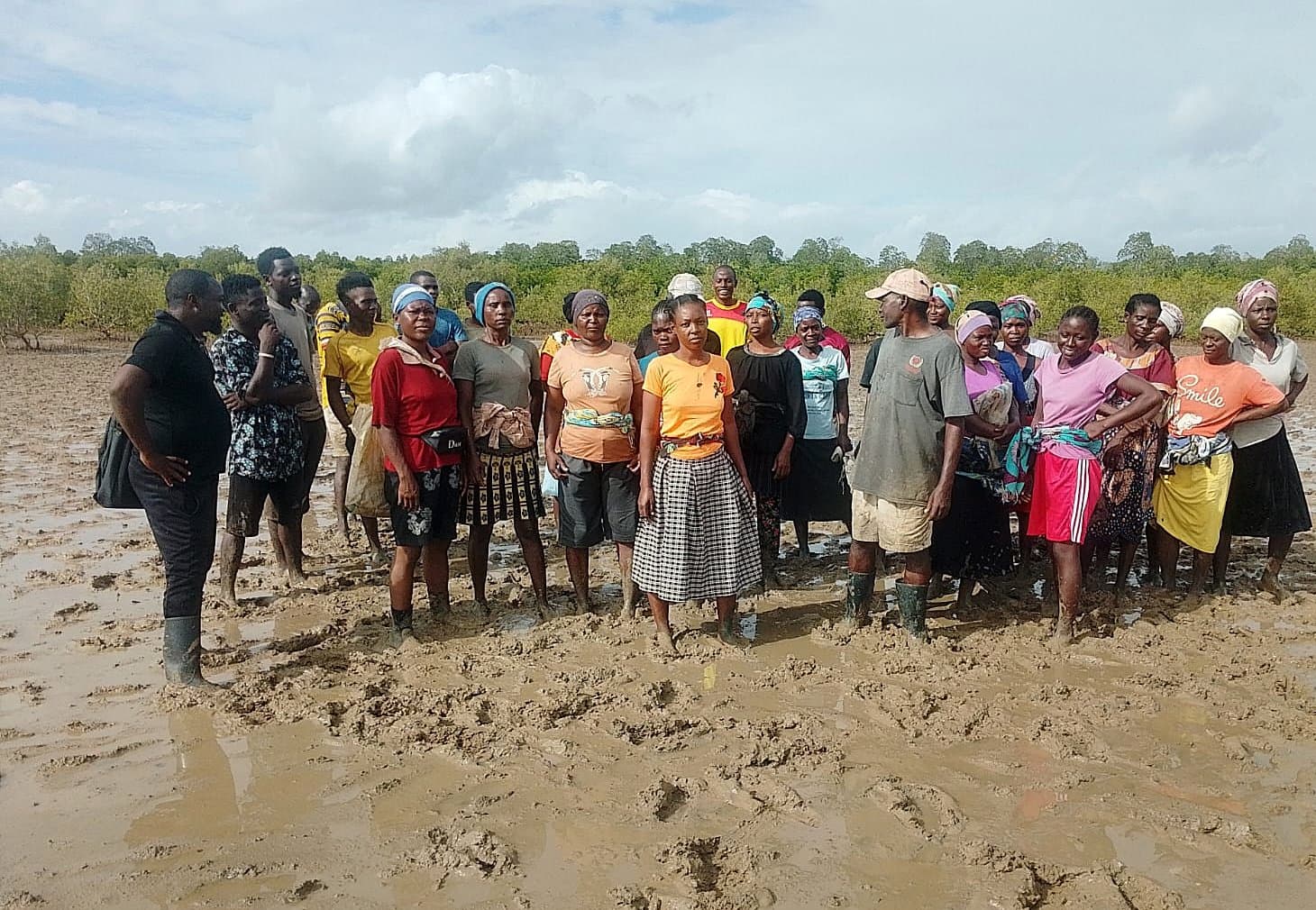
In Kwale alone: 40 self-help groups on the I&M programme at Mwache, 17 groups on Iberafrica's Bonje site, and women made up about 80% of the people planting for DTB.

Next, we are developing aquaculture value chains with these groups (seaweed farming and crab fattening beside restored mangroves) and soya on farms, so that restoration also earns a steady income. These are in development; we'll share results as the pilots report.

A women's group standing on a mangrove planting site in Kwale, June 2026

Green Scholars in schools

The Green Scholars Programme is our climate leadership and green skills pathway for young people aged 12 to 24, in three stages: Junior Green Scholars, Senior Green Scholars and Green Fellows. It runs through school eco-clubs, bootcamps and micro forests.

In our pilot with the ARISE Foundation in Kilifi County, 89 Grade 9 learners took part in a five-day bootcamp. Topic conversance rose from 51% to 87%, and they planted 110 trees to start a school micro forest.

About the Green Scholars Programme
01The FBF ECO Clubs training curriculum.
02Eco-club group work at Gongoni, Kilifi County.
03The Eco Club learner’s workbook.
04Planting the school micro forest.

Mangrove groups in Mwache, Kwale

On the I&M mangrove restoration in Mwache, Kwale County, 40 self-help groups took part and seedlings were sourced from the community (management-reported, documented in the July 2026 completion report).

Read the I&M Mwache case study

Programmes in development

Sustainable fuels & biofuels (planned): Exploring castor value chains and the restoration of Prosopis-invaded land as feedstock for biofuels and sustainable aviation fuel.

AI-assisted monitoring (planned): Training models on our own field data to speed up project onboarding and monitoring.

Semicircular bunds, Mwache catchment (proposed): Half-moon bunds, native trees and grass on 150 ha to cut runoff and silt and recharge groundwater, with the Water Resources Authority, the Kenya Forest Service and local groups.

Coastal aquaculture (in development): Seaweed farming and crab fattening with women and youth groups beside restored mangroves.

Plan a project with communities at its centre

Tell us where you'd like to work and who you'd like to reach. We'll talk through how local nurseries, groups and schools can take part.

Partner with us