FBF News Centre.
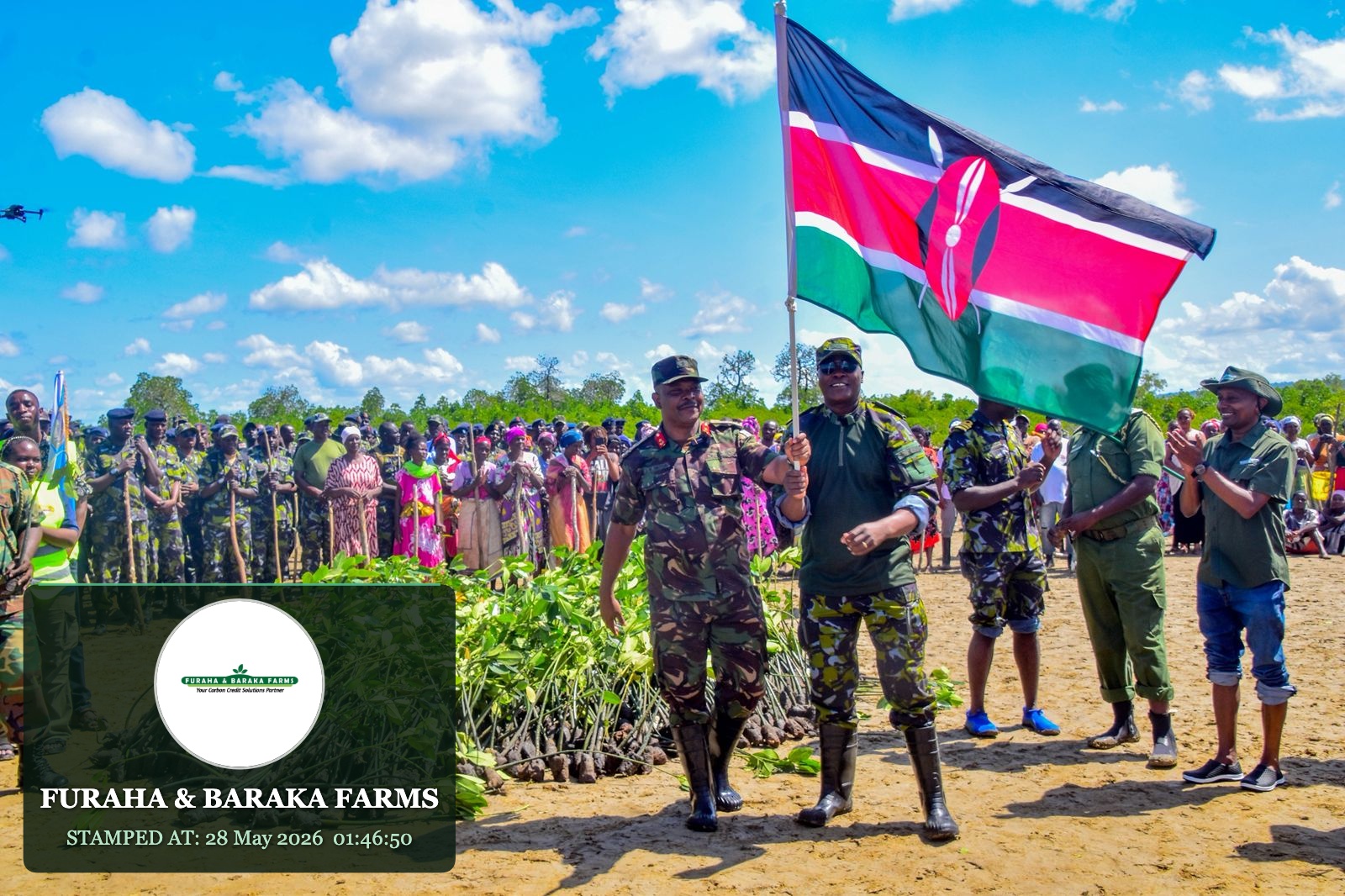
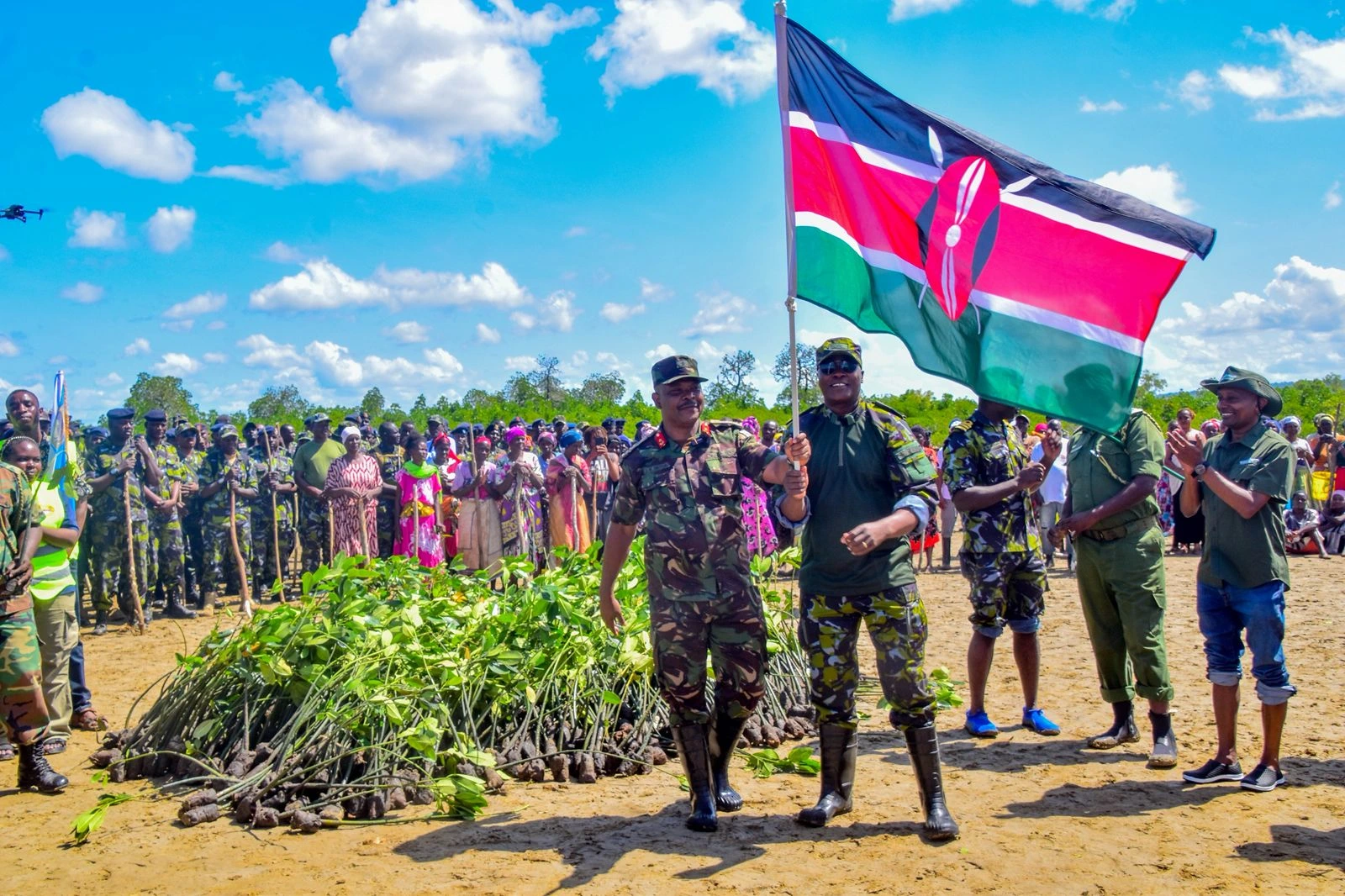
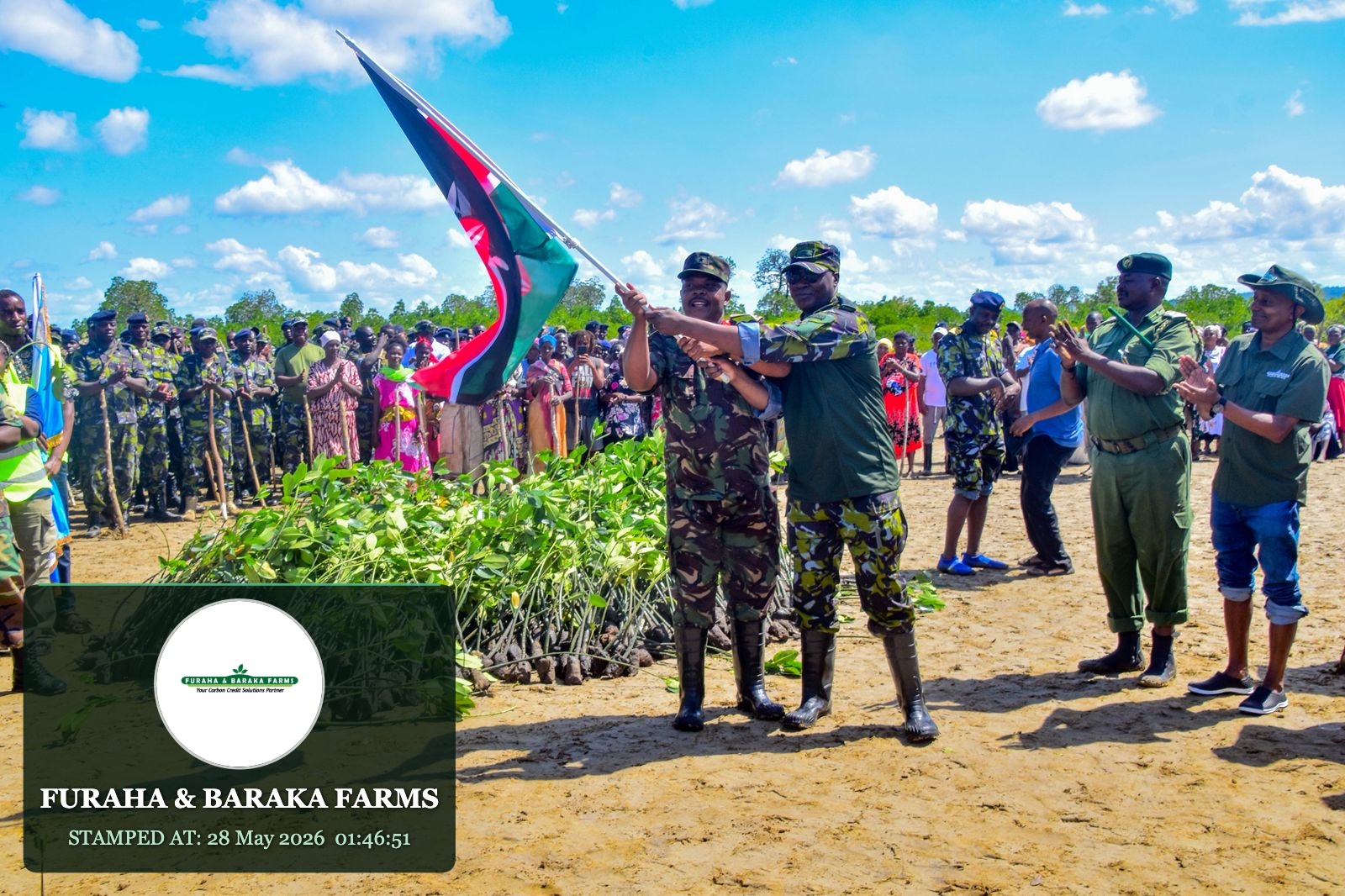
In partnership with the Kenya Navy, Equity Bank, Kenya Forest Service, and the Mwatsumbo Community Forest Association, FBF convened one of Kenya’s largest single-day mangrove restoration exercises in Tsunza, Kwale County on 23rd May 2026.
Before sunrise on Saturday morning, the mangrove channels of Tsunza were already alive with movement.
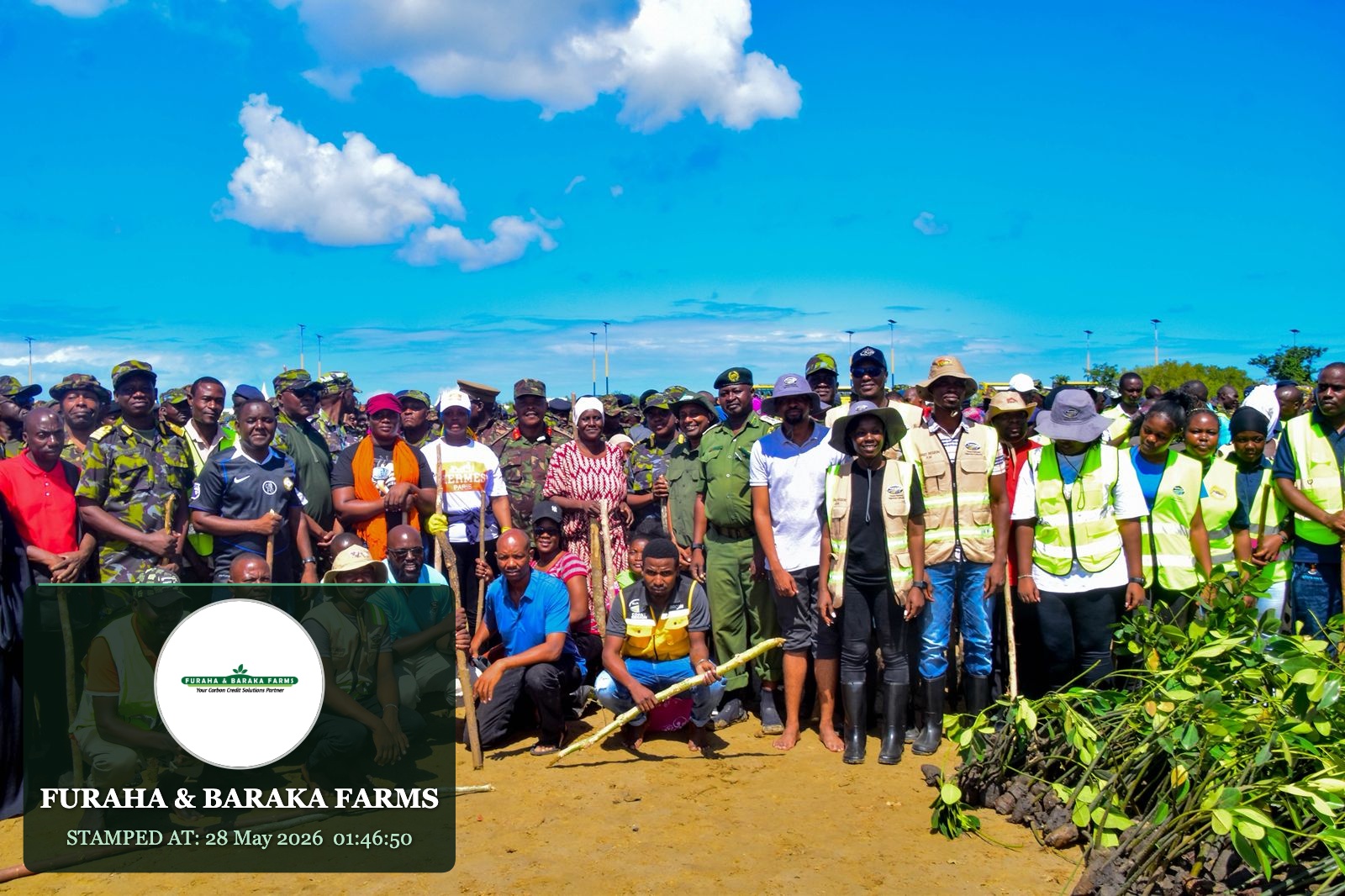
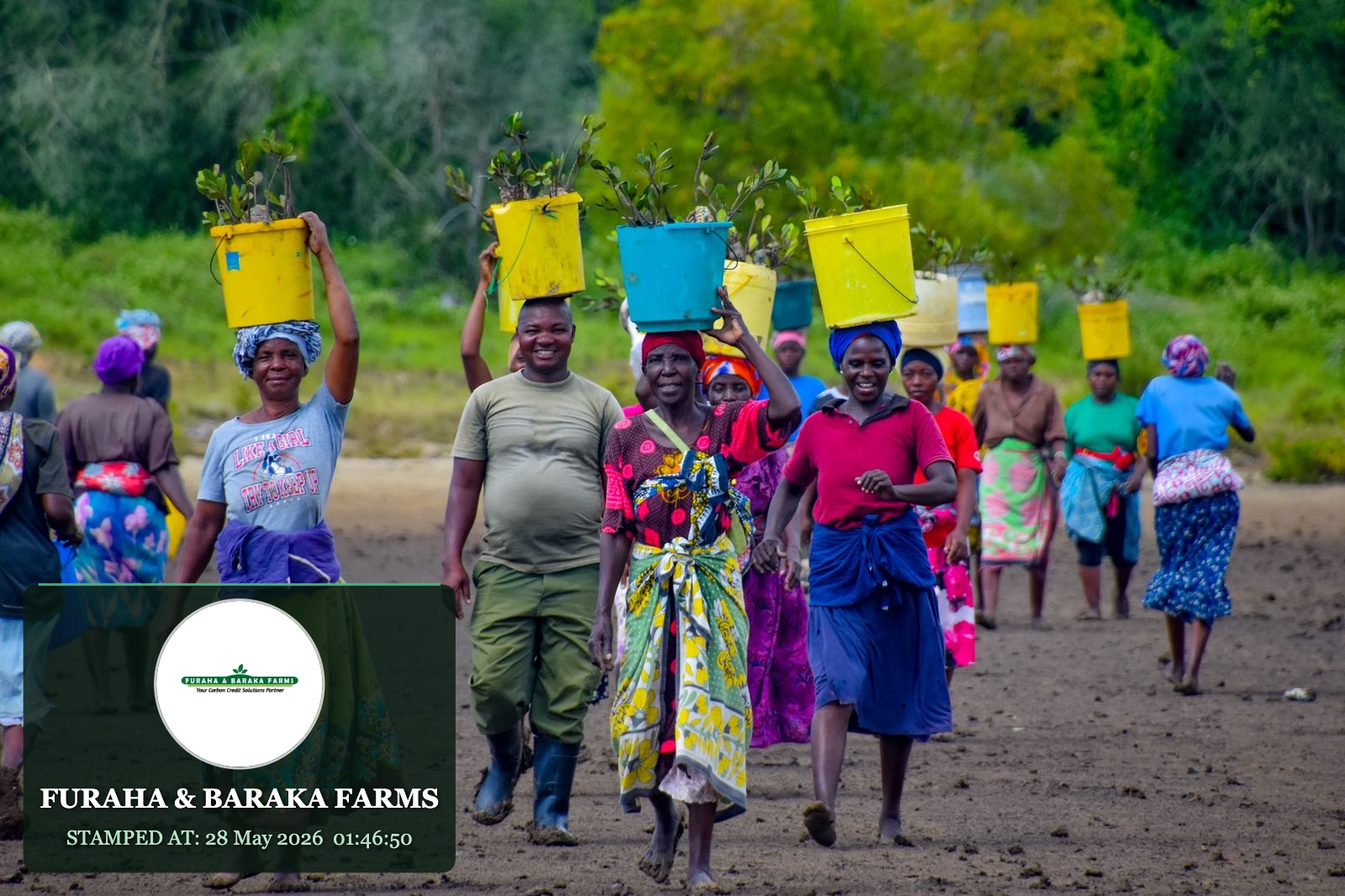
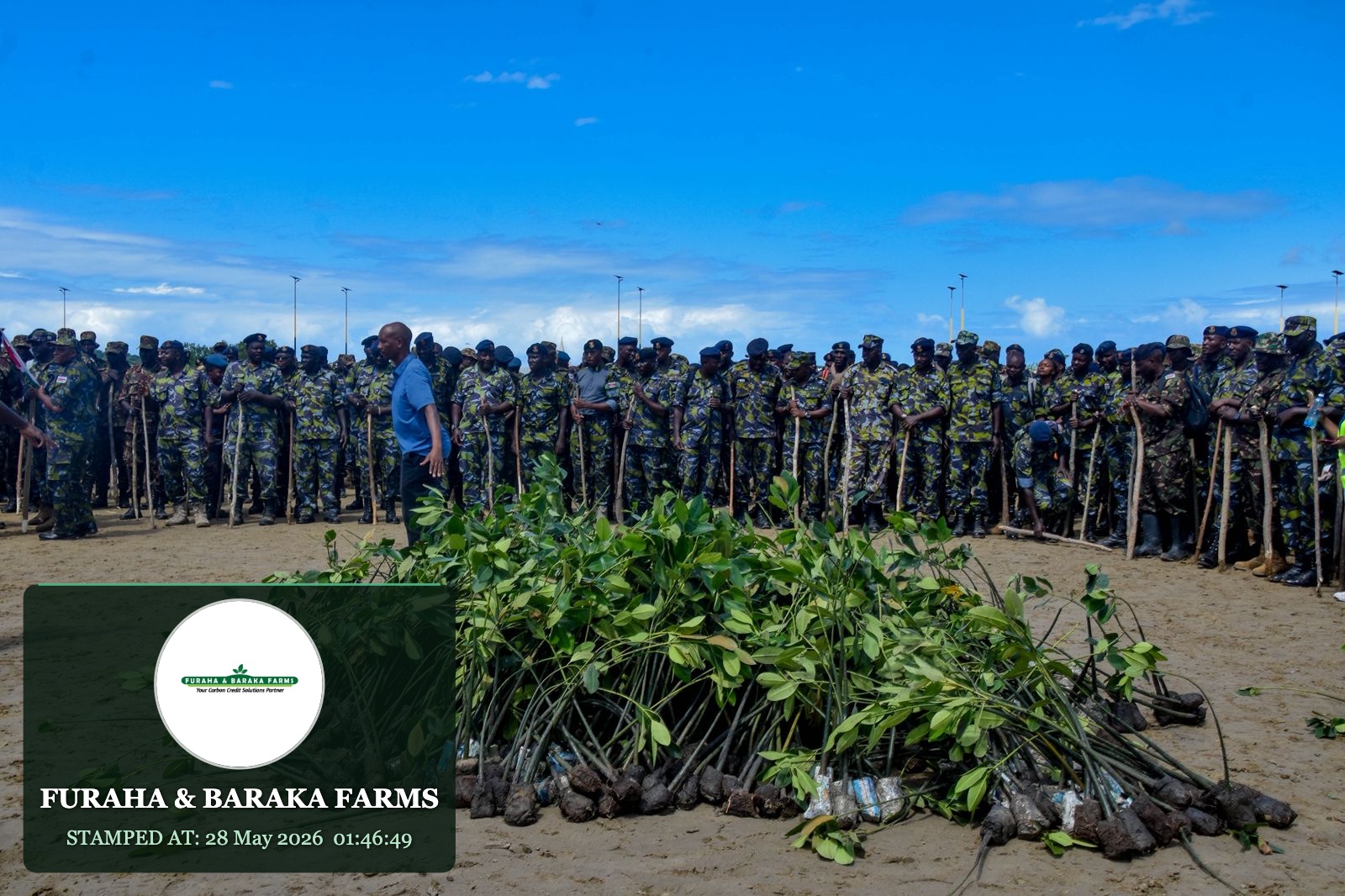
Soldiers in uniform marched through knee-deep mud with propagules. Women from the Mwatsumbo Community Forest Association moved from one planting line to another with practiced precision. Community members gathered along the shoreline as dozens of the yellow school buses rolled in carrying more soldiers. By late afternoon, the coastline had transformed into a living symbol of collective action.
And by the end of the day, 150,000 mangroves had been planted.
The exercise, sponsored by Equity Bank and implemented in partnership with the Kenya Navy with support from Kenya Forest Service and the Mwatsumbo Community Forest Association, brought together over 1,500 soldiers drawn from the Kenya Navy and Kenya Army, 400 community members — the majority of them women — alongside staff from FBF, representatives from the Kenya National Highways Authority, the National Police Service, and local administration leaders.
But what happened in Tsunza was about far more than numbers.
It was about defending coastlines. About restoring dignity to ecosystems that have silently protected communities for generations.
It was about proving that climate action becomes transformational when institutions, communities, government agencies, and the private sector move together with a shared purpose.
At Furaha and Baraka Farms, we have always believed that the future of environmental restoration lies in partnerships rooted in community ownership. This exercise on 23rd May became a powerful demonstration of exactly that — a model where communities are not passive beneficiaries, but active custodians of restoration and resilience.
Mangroves are among the most powerful ecosystems on earth. They protect coastlines from erosion, act as breeding grounds for marine life, support livelihoods for coastal communities, and absorb significantly more carbon than terrestrial forests. Yet despite their ecological and economic importance, Kenya’s mangrove ecosystems continue to face immense pressure from degradation, overharvesting, pollution, and climate change impacts.
Across many coastal communities, the consequences are already visible: weakening shorelines, declining fish breeding zones, and increasing vulnerability for families whose livelihoods depend on healthy marine ecosystems.
That is why what happened in Tsunza matters.
Because every propagule planted represents more than a tree. It represents a future fish nursery. A stronger coastline. A carbon sink.
A livelihood protected.
A statement that environmental restoration is not the work of environmentalists alone — it is national work. Community work. Generational work.
Different uniforms. Different backgrounds. One shared responsibility.
Perhaps that is what made the exercise so powerful. The same coastline that feeds families, buffers communities from storms, and sustains biodiversity is now being defended not with weapons, but with restoration.
One propagule at a time
.
The long-term impact of this effort extends far beyond a single day of planting. Once mature, the 150,000 mangroves will contribute significantly to shoreline stabilization, marine biodiversity restoration, climate resilience, and long-term carbon sequestration. More importantly, they represent a growing national recognition that protecting ecosystems is inseparable from protecting livelihoods and communities.
For us at Furaha and Baraka Farms, this was more than an event.
It was proof that large-scale environmental restoration is possible when partnerships are intentional, communities are empowered, and climate action is pursued with urgency and unity. And Tsunza is not the finish line.
It is part of a growing movement to restore degraded ecosystems, strengthen climate resilience, and build community-centred environmental stewardship across Kenya’s coastline.
Years from now, the true success of this exercise will not simply be measured by the number of propagules planted.
It will be measured by stronger coastlines, restored biodiversity, and thriving communities.
By future generations inheriting ecosystems that survived because people chose to act when it mattered most.
And on that front, Tsunza gave us something powerful.