
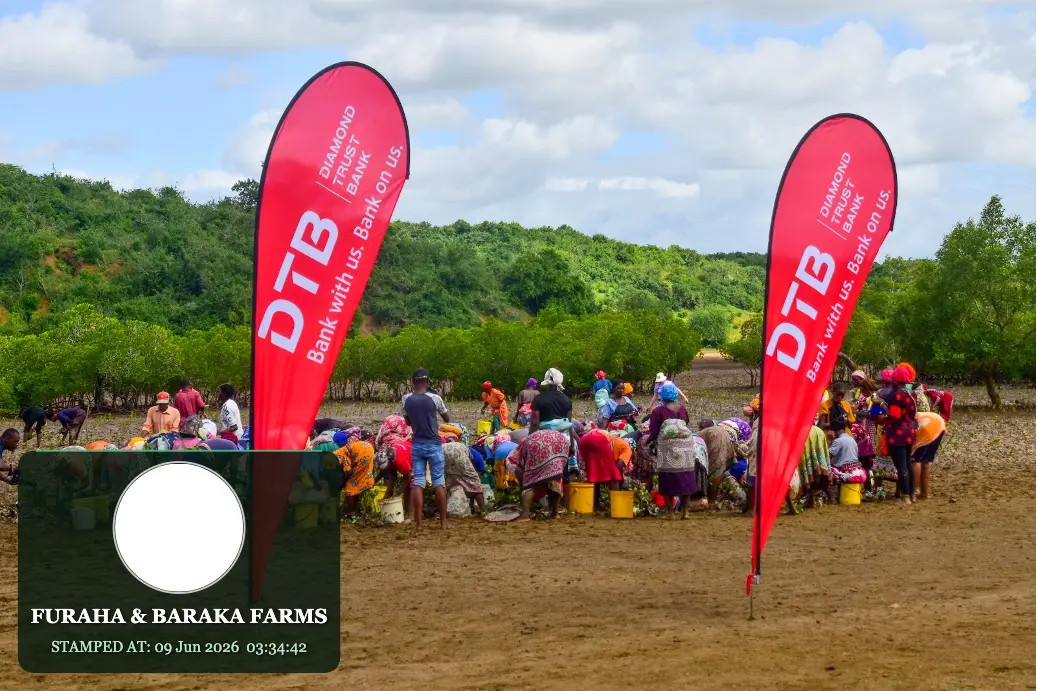
World Environment Day sees Diamond Trust Bank (DTB Kenya), Furaha Baraka Farms and the Tsunza community plant 100,000 mangroves, bringing the partnership’s total to 600,000 trees

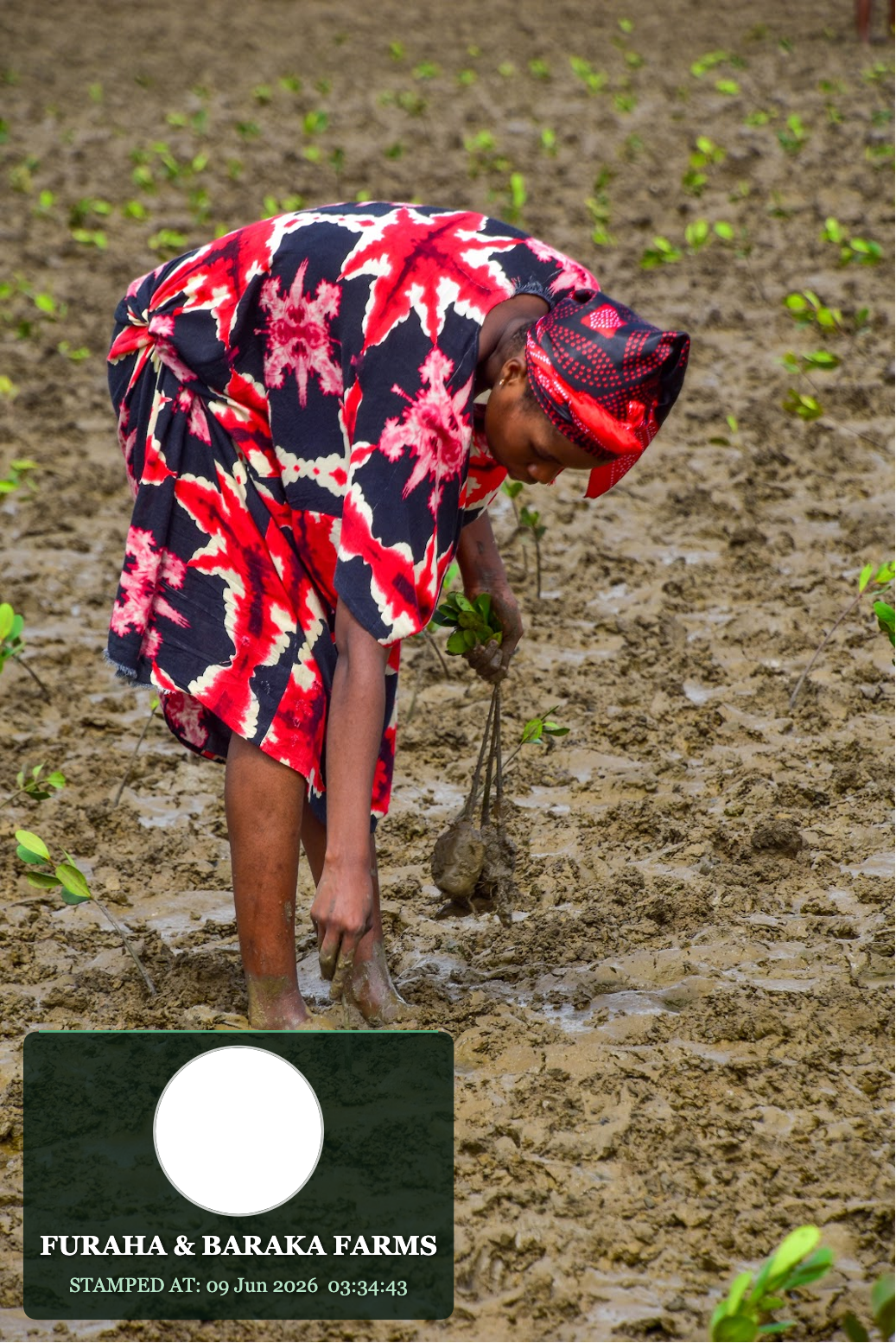
On World Environment Day, the muddy mangrove channels of Tsunza in Kwale County once again became a place of hope, action, and collective purpose.
Together with Diamond Trust Bank and the Tsunza community, Furaha Baraka Farms planted 100,000 mangroves, bringing the total number of mangroves planted under the DTB banner to 600,000. The milestone contributes to DTB ’s ambitious commitment to plant 1.2 million trees this year and 10 million trees by 2030.
Yet beyond the numbers lies a much bigger story.
It is a story about communities restoring ecosystems, livelihoods being protected, and about partnerships delivering tangible climate action while advancing sustainable development for people and planet.
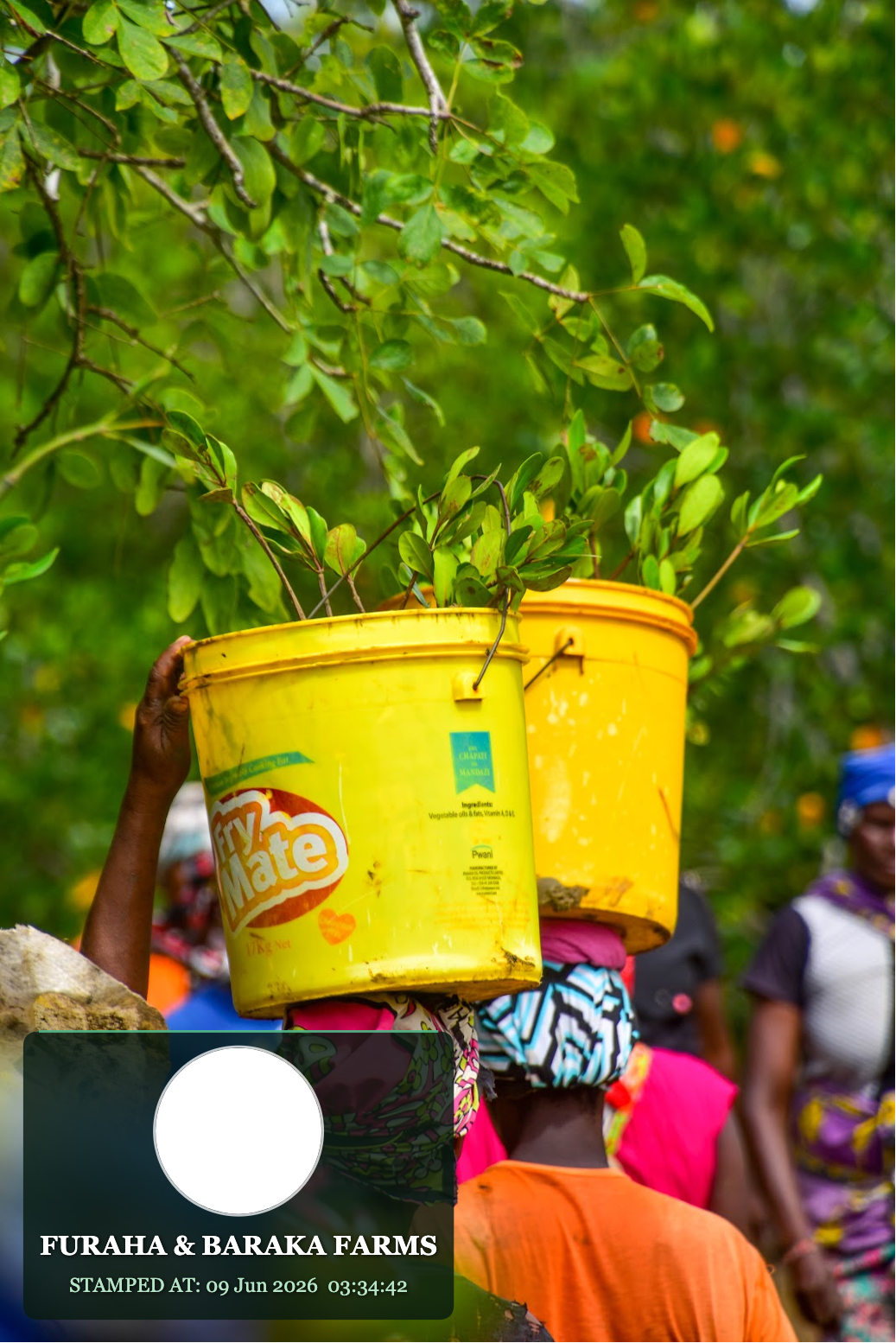
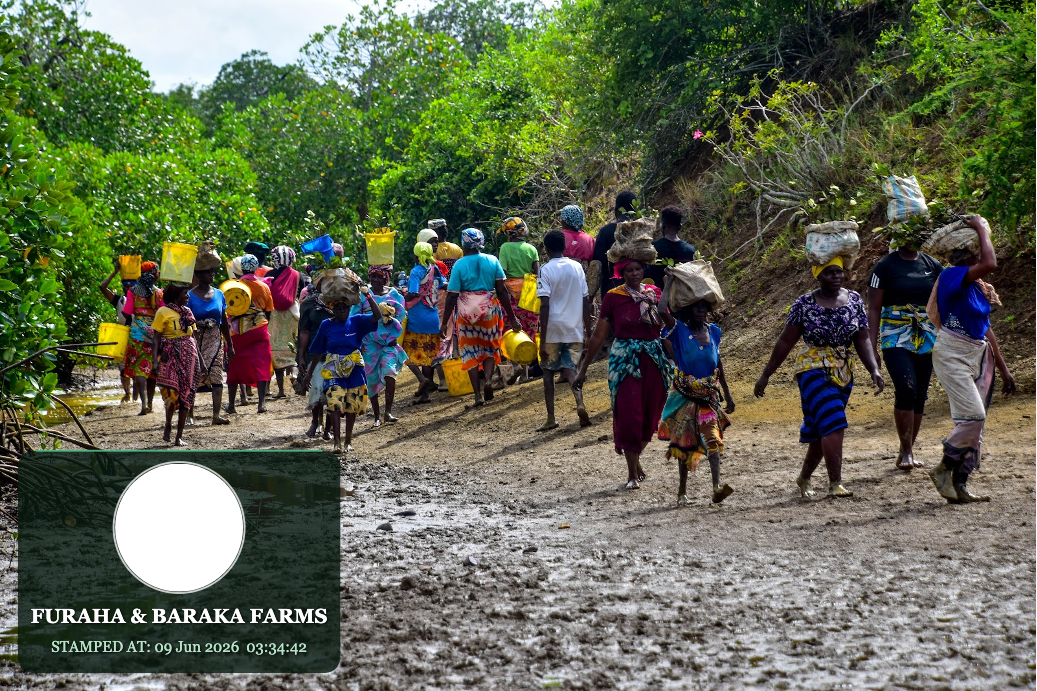
As hundreds of community members worked alongside representatives from Diamond Trust Bank and Furaha Baraka Farms, the significance of the exercise was evident not only in the mangroves being planted but also in the future they represent.
For coastal communities, mangroves are more than trees.
Their intricate root systems protect shorelines from erosion and storm surges. They provide breeding grounds for fish and marine life that sustain local economies. They improve biodiversity, strengthen climate resilience, and serve as some of the world’s most effective natural carbon sinks.
For the people of Tsunza, these benefits translate directly into household well-being.
“It means fish. It means income. It means a future for our children,” said Juma Mashanga, Chairperson of the Mwatsumbo Forest Association.
His words capture the essence of why community-led conservation matters. Healthy mangrove ecosystems support healthier fisheries, stronger local economies, and greater resilience for families that depend on coastal resources for their livelihoods.
Community Ownership at the Centre
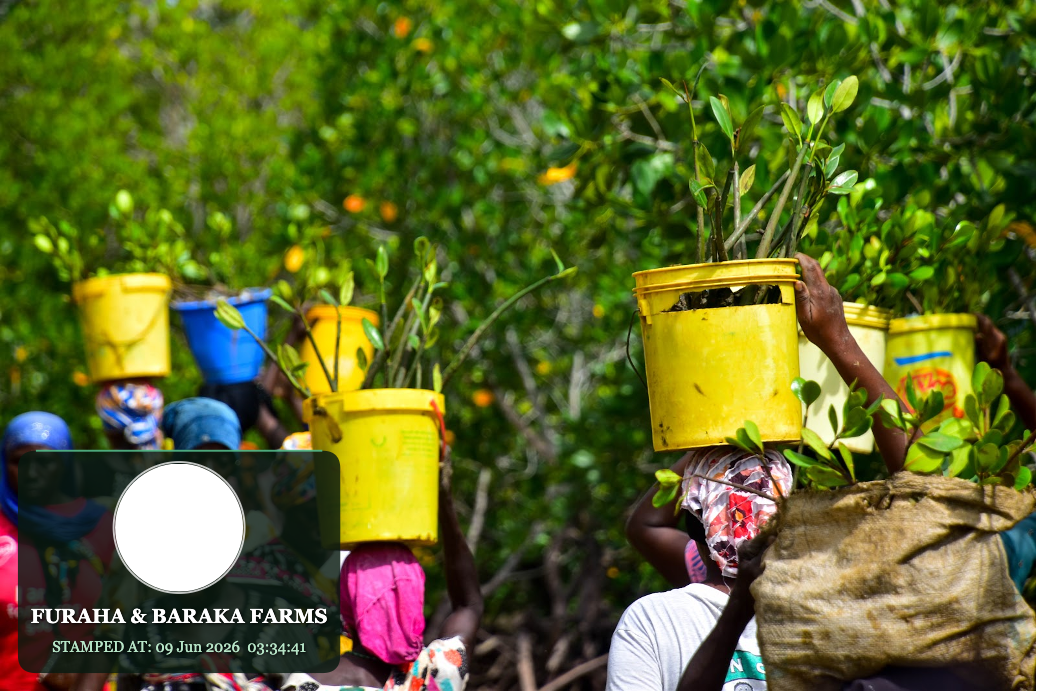
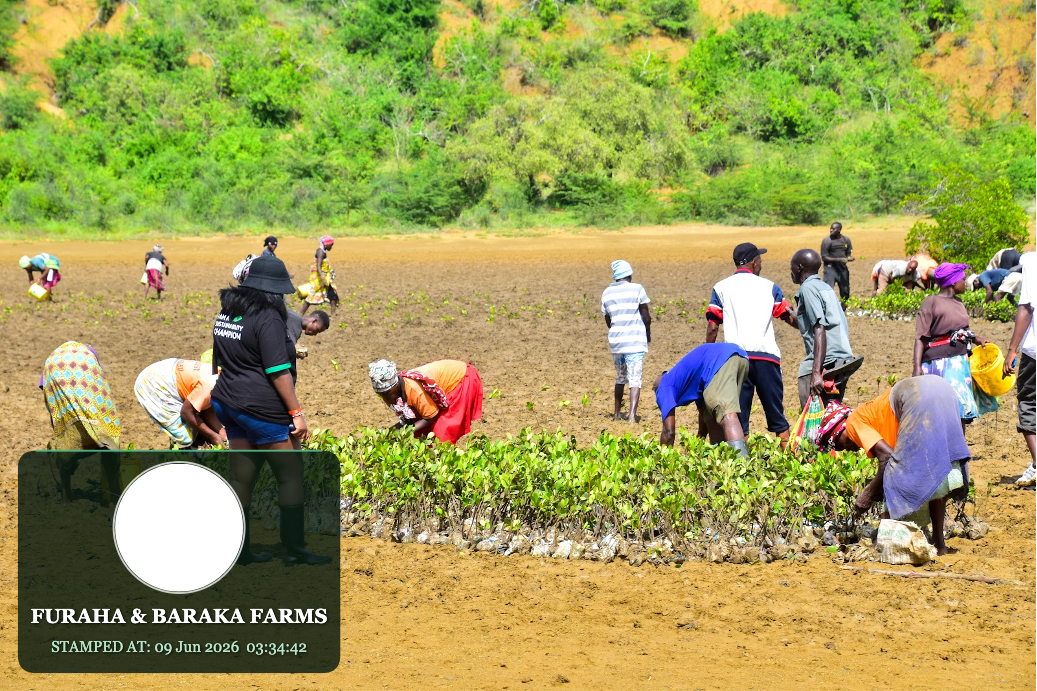
A defining feature of the restoration effort in Tsunza has been the central role played by local communities.
While partners provide technical expertise, resources, and support, the long-term success of the project depends on the people who live alongside and depend on these ecosystems every day.
“The community has ownership of the project. We work together with them, but ultimately they are the custodians of the ecosystem,” said Azmaira Thobani, DTB’s Head of Sustainability and Communications.
This approach recognizes a simple but powerful truth: conservation is most effective when communities are empowered to lead.
The women and young men who participate in planting, nurturing, and protecting mangroves are not merely beneficiaries of environmental projects. They are environmental stewards, climate champions, and agents of sustainable development.
Investing in Communities, Not Just Trees
At Furaha Baraka Farms, we recognize that meaningful environmental restoration requires more than planting trees.
It requires investing in people.
It requires supporting communities to strengthen their economic resilience, expand opportunities for young people and women, and build sustainable livelihoods that are compatible with environmental conservation.
This commitment aligns closely with the theme of this year’s World Environment Day: “Inspired by Nature. For Climate. For Our Future.”
As we celebrate the milestone of 600,000 mangroves planted with DTB and the Tsunza community, we also celebrate the people behind the numbers — the women, young people, community leaders, and partners who continue to demonstrate that environmental restoration and community development are not separate pursuits.
They are one and the same.
Because when communities thrive, ecosystems thrive.
And when ecosystems thrive, our collective future becomes more secure.
The 100,000 mangroves planted on World Environment Day will one day mature into forests that protect coastlines, nurture marine life, capture carbon, and sustain livelihoods.
But perhaps their greatest legacy will be the example they set: that lasting change happens when communities are empowered, partnerships are intentional, and conservation is rooted in shared prosperity.